Do you provide tick control services in Westchester County, NY?
Yes. Safe Tick Control provides tick and mosquito control in Scarsdale, Rye, Harrison, Purchase, Armonk, Bedford, Bedford Corners, Pound Ridge, Chappaqua, Katonah, South Salem, Waccabuc, Cross River, North Salem, Lewisboro, Rye Brook, Larchmont, Bronxville, Mamaroneck, Briarcliff Manor, Millwood, Mount Kisco, Bedford Hills, Goldens Bridge, Pleasantville, Somers, Eastchester, Valhalla, Hartsdale, and White Plains. Call 914-444-8425 to schedule service.
Do you service large properties, wooded lots, and estate homes?
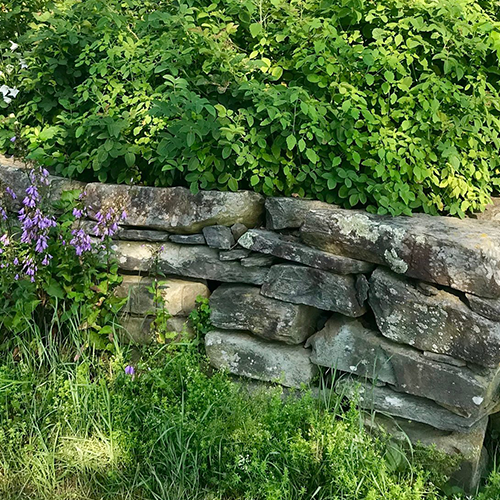
Yes. We specialize in large estates, wooded properties, stone walls, shaded landscapes, and high-tick environments common in Bedford, Bedford, Armonk, and Chappaqua.
How fast can I schedule tick control services?
Most customers receive same-day or next-day treatment. Instant quotes available by phone using satellite mapping.
Are your tick control treatments safe for kids and pets?
Yes. Our treatments are safe for children and pets once dry (30–60 minutes). Ideal for families concerned about Lyme disease exposure.
Is tick spray safe for dogs?
Yes. Tick treatments are routinely used on properties with dogs in Scarsdale, Rye, and Armonk. Keep pets inside until the product dries.
What if my dog or cat eats the grass after treatment?
Keep pets away from treated areas until the product has dried and follow all product-label and technician instructions. Let us know if your pet tends to eat grass so we can discuss precautions.
Can my kids roll or play on the lawn after a tick spray?
Yes. After drying, the lawn is safe for children to play, roll, or run on.
Is tick control safe for pregnant women or babies?
Yes. Once dry, tick treatments are safe for pregnant women, infants, and sensitive households.
Can the treatment get into my well water or water supply?
No. We avoid wellheads and water sources. Treatments bind to vegetation and do not migrate. Ideal for homes in Bedford and Pound Ridge.
Is tick control safe around swimming pools?
Yes. We do not spray pool water. Treatments are applied only to surrounding vegetation where ticks hide.
Is the treatment safe for bees and pollinators?
Yes. We avoid flowering plants, gardens, and pollinator zones. Only shaded, non-flowering areas are treated.
When should I start tick control in New York?
Start in early spring (March) when nymph ticks emerge. Ticks are active whenever temperatures exceed 40°F.
Are ticks active in fall and winter in New York?
Yes. Adult deer ticks stay active throughout fall and during warm winter days in Westchester County.
How long does each tick spray treatment last?
Synthetic treatments last up to 4 weeks, depending on shade, moisture, and vegetation.
How quickly will I see fewer ticks?
Most customers see significant reduction within 24 hours. Best results come from seasonal treatments.
Do I need tick control if my yard isn’t wooded?
Yes. In suburban towns like Rye, Harrison, and Scarsdale, ticks migrate from stone walls, shrubs, hedges, and wildlife paths even in non-wooded areas.
Do ticks fall from trees?
No. Ticks stay low in grass, leaf litter, brush, and shaded areas. They do not fall from branches.
What areas of my yard do you treat?
We treat the entire property: lawn, perimeter, landscape beds, stone walls, foundations, shaded areas, and wooded edges.
Do I need to be home during tick or mosquito treatment?
No. As long as we have yard access, you don’t need to be home. We notify you when service is complete.
What if it rains after my tick spray?
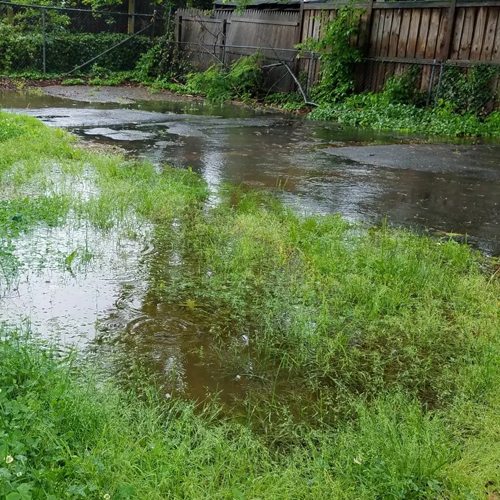
Light rain after drying does not affect results. If heavy rain occurs immediately, we re-treat as needed.
Does tick control help protect my pets from Lyme disease?
Yes. Reducing ticks around your home lowers your pets’ exposure to Lyme disease, anaplasmosis, and babesiosis.
Should I still use my dog’s monthly tick medication?
Yes. Yard treatments + vet preventatives offer the strongest protection.
Is tick control harmful to wildlife?
No. Treatments target vegetation, not animals. We avoid sensitive habitats.
Do you offer natural or organic tick control?
Yes. We offer cedarwood-oil treatments for eco-conscious households.
Are natural tick sprays effective?
Yes, but they act mainly as repellents and do not last as long. They require more frequent applications.
Why don’t natural treatments come with the 30-day guarantee?
Natural oils break down faster and do not provide the residual strength needed for guaranteed 30-day control.
Do you offer mosquito control in Scarsdale, Rye, and Harrison?
Yes. We provide seasonal and one-time mosquito treatments across all Westchester County towns.
How often should mosquito treatments be scheduled?
Every 3–4 weeks during mosquito season for consistent results.
Why do coastal towns have more mosquitoes?
Areas like Rye, Larchmont, and Mamaroneck have higher mosquito pressure due to marshes, wetlands, and coastal humidity.
How is mosquito control different from tick control?
Mosquitoes rest high in tree canopies and vegetation, so mosquito treatment targets elevated foliage, unlike ground-level tick treatments.
Do you offer mosquito control for outdoor events?
Yes, including weddings, backyard parties, and special occasions.
Is tick spray safe for vegetable gardens?
We avoid all vegetable gardens, fruit trees, and edible plants during treatment.
Does tick control cause odors or stains?
No. Synthetic formulas are odorless; cedar oil has a mild cedar scent.
What attracts ticks to my property in New York?
Ticks thrive in shade, moisture, leaf litter, tall grass, stone walls, wooded edges, and wildlife pathways.
Do ticks survive New York winters?
Yes. Ticks overwinter under leaf litter and become active on warm winter days.
How can I reduce ticks between treatments?
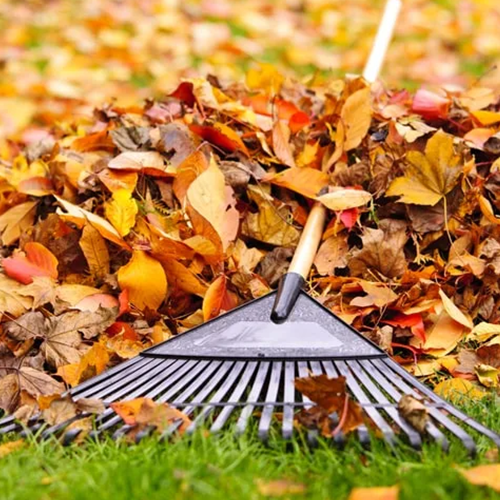
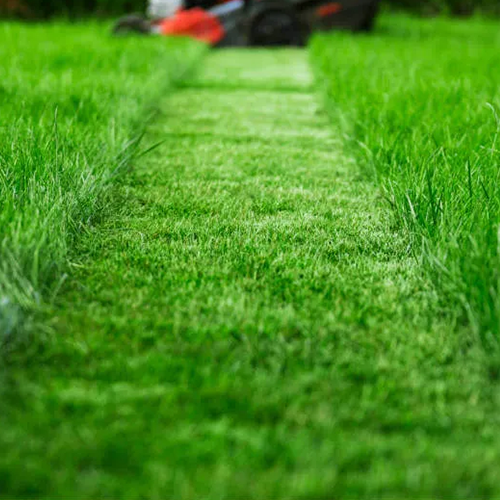
Maintain short grass, remove leaves, trim vegetation, and reduce moisture — but professional treatments provide the strongest protection.
How do you price tick and mosquito control services?
Pricing starts at $95 and up. It is based on property size, terrain, vegetation density, and coverage needs. Quotes provided instantly by phone.
Why choose a seasonal tick control plan?
Seasonal service helps address ticks returning to your property throughout the season.
What is your 30-day tick-free guarantee?
If you see ticks within 30 days of a synthetic application, we return and re-treat at no charge. Natural treatments are excluded.
Where do ticks come from and why are they in my yard?
People are confused why ticks show up even in clean, suburban lawns. They want to understand wildlife pathways, brush, and shaded areas.
Why are ticks so common in New York, especially in towns like Scarsdale, White Plains, and Harrison?
Wooded edges, leaf litter, shade, moisture, and wildlife can provide suitable tick habitat. These conditions occur on many Westchester County properties.
Where do ticks hide in my yard, and how do they get onto people and pets?
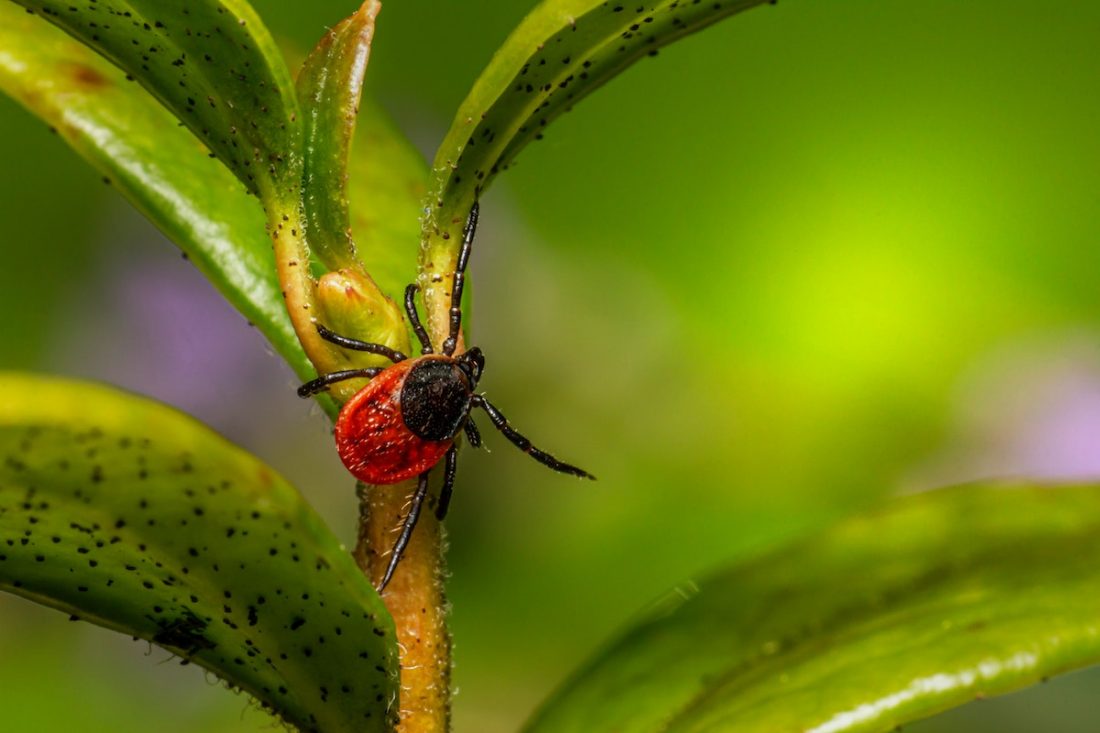
Ticks hide in leaf litter, tall grass, shaded beds, stone walls, and perimeter brush. They don’t jump or fly—they use a behavior called questing, waiting at ground level to latch onto people or pets passing by. This is common across Westchester County properties.
Which ticks carry Lyme disease in New York?
Infected blacklegged ticks, also called deer ticks, transmit the bacteria that cause Lyme disease in New York.
How can I tell the difference between a deer tick, dog tick, and lone star tick?
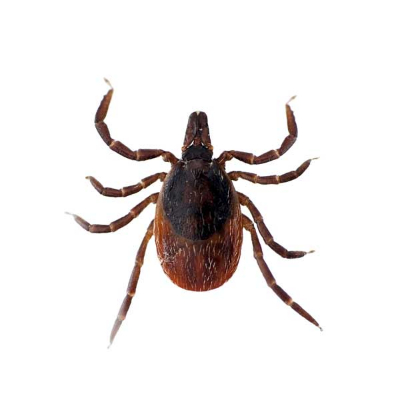
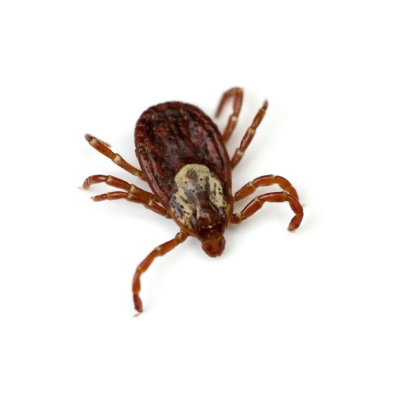
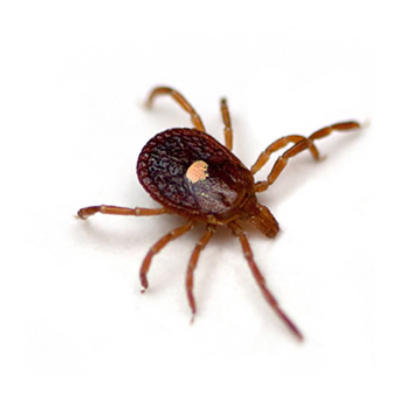
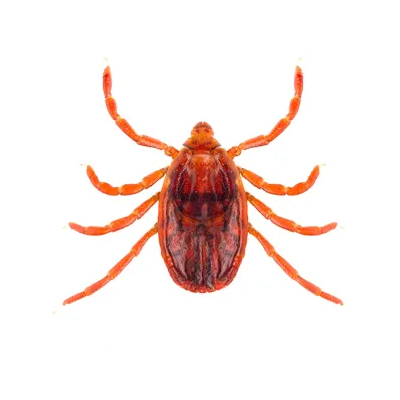
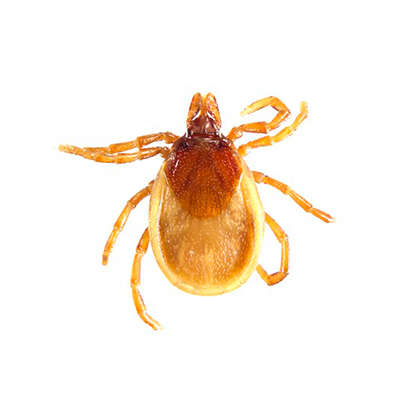
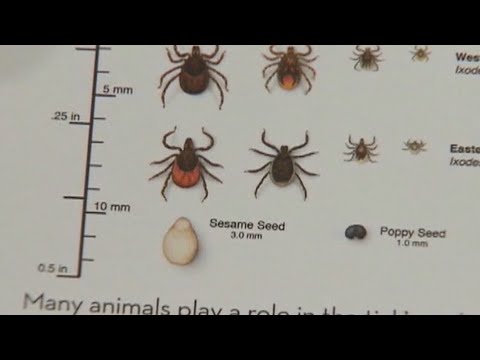
Deer ticks are small and dark; dog ticks are larger with distinct markings; lone star ticks have a white spot on the female’s back. Deer ticks are the primary spreaders of Lyme disease in NY. Lone star ticks are increasing in White Plains, Mamaroneck, and coastal areas.
When are ticks most active in New York, and what months are highest risk?
Nymph ticks peak April–August in Westchester County, posing the greatest Lyme risk. Adult ticks peak in fall and remain active during warm winter days in Scarsdale, Chappaqua, and Katonah. Ticks are active anytime temperatures exceed 40°F.
Why do nymph ticks pose a greater risk for Lyme disease?
Nymph ticks are tiny (poppy-seed sized) and often go unnoticed, allowing them to stay attached longer. In NY, nymph ticks are responsible for most human Lyme infections because they are so hard to detect.
What does a tick bite look like, and do all tick bites cause a bullseye rash?
A Lyme disease rash does not always have a classic bullseye shape. If you develop a rash, fever, or other symptoms after a tick bite or possible exposure, contact a healthcare professional.
Can you get Lyme disease even if you never saw a tick?
Yes. Small ticks can go unnoticed. Check yourself and your pets after spending time outdoors, especially in wooded or grassy areas.
How long does a tick need to be attached to transmit Lyme disease?
Lyme transmission typically requires 24–36 hours, but other diseases like Anaplasmosis and Powassan virus can transmit much faster. Because ticks are so small, attachment often goes unnoticed beyond this window.
What attracts ticks to certain yards more than others?
Yards with shade, moisture, leaf litter, deer traffic, stone walls, bird activity, and dense shrubs attract more ticks. Homes near woods or conservation land in Scarsdale, Rye, Harrison, and Armonk have the highest exposure.
Do ticks survive the winter in New York?
Yes. Ticks overwinter under leaf litter and become active anytime temperatures rise above 40°F. Many homeowners in Westchester County find ticks outdoors even in January and February.
How do I remove a tick safely from my skin or my pet?
Use fine-tipped tweezers to grasp the tick close to the skin and pull upward steadily. Clean the bite area afterward. Contact your veterinarian if you have questions about your pet’s health or tick prevention.
Why do I still find ticks on my pets even though they take tick medication?
Medications kill ticks after they bite, but they don’t stop ticks from getting onto pets. In high-pressure areas like Bedford, Chappaqua, and Armonk, professional tick control significantly reduces the number of ticks pets bring indoors.
Can ticks live in short, well-maintained lawns?
Yes. Even manicured lawns in Scarsdale, Rye, and Harrison can harbor ticks—especially in shaded pockets, foundations, hedges, and stone walls. Lawn maintenance helps, but it does not eliminate ticks.
What is the most effective way to protect my family and pets from ticks in New York?
The most effective prevention combines: professional tick control, pet preventatives, regular tick checks, trimming vegetation, removing leaf litter, and reducing moisture. Westchester County homeowners see the greatest protection from monthly tick treatments during peak season.

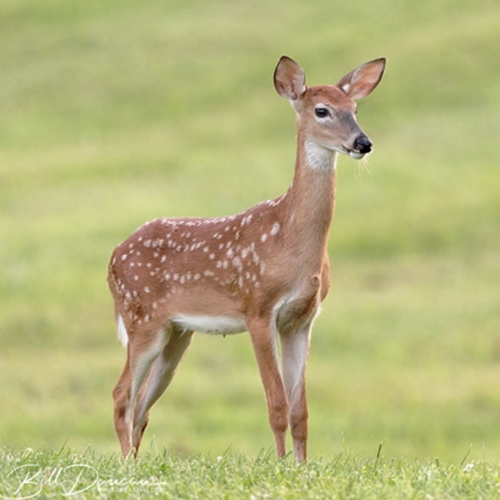



Deer are major tick carriers; if they frequent your yard, so do ticks. Through deer repellents, selective landscape modifications, and effective barrier treatments, we help ensure deer—and their ticks—stay off your property.
Deer Are Major Tick Carriers if they’re visiting, ticks are too.