
Tick activity in Connecticut is driven by weather more than the calendar: ticks can become active any time temperatures rise above freezing, and they thrive in humid, shaded areas even as rain, heat, frost, and snow change when and where they quest for hosts, how long they survive, and which parts of your yard carry the highest risk. For homeowners and families in Fairfield County—especially those with lawns, wooded edges, stone walls, and shaded landscaping—understanding these weather-driven patterns helps you protect children, pets, and outdoor living spaces from ticks and tick-borne diseases such as Lyme disease.
This guide explains how temperature, humidity, rainfall, frost, and snow affect tick activity and survival, which tick species are active at different times of year, how climate change is stretching tick season in Connecticut, where ticks concentrate around residential properties, and when prevention steps or professional full-property tick control make the most sense.
Key Takeaways
Tick season typically runs from early spring to late fall, with ticks most active from April to September. Blacklegged ticks (Ixodes scapularis), the primary vector of lyme disease in Connecticut, can be active any time temperatures rise above freezing.
Ticks thrive in humid, shaded, brushy, and leaf-littered environments. Risk remains in early spring and late fall, not just midsummer.
Climate change is lengthening the tick season in the Northeast. Connecticut’s Active Tick Surveillance Program now collects roughly 800 tick specimens from December through March, up from about 50 in prior years, according to CAES and CT DPH reporting.
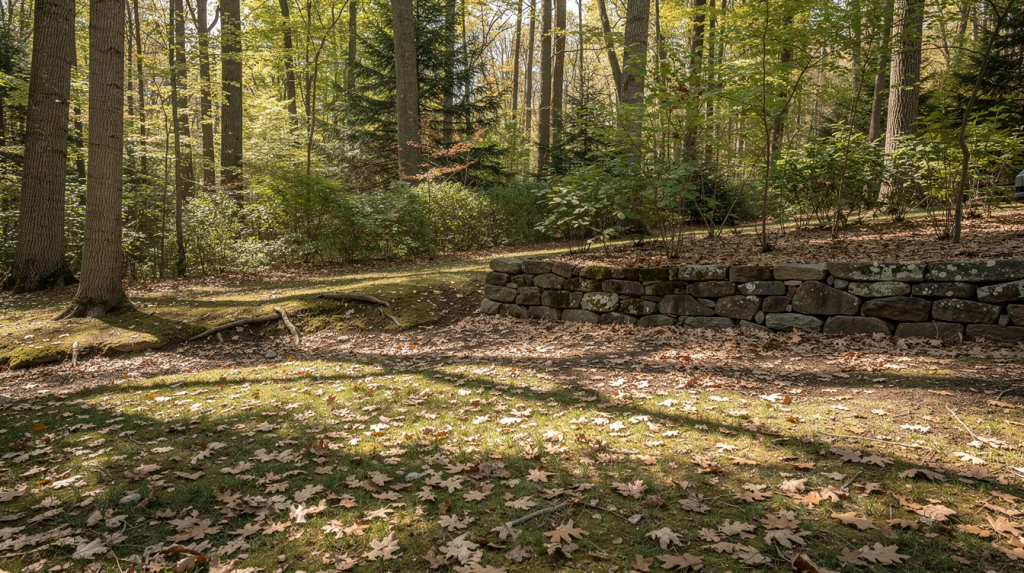
Fairfield County’s wooded residential lots, stone walls, and shaded landscapes create microclimates that hold moisture and warmth, keeping ticks active even when open lawn areas feel dry or cold.
Professional, full-property treatments from Safe Tick Control can reduce tick encounters across all weather-driven risk periods in Fairfield County.
How Weather and Seasons Shape Tick Activity in Connecticut
Daily weather and broader seasonal shifts together determine tick behavior and tick survival across Connecticut. Ticks are most active from April to September, but exposure can occur year-round because blacklegged ticks quest whenever temperatures exceed freezing and the ground is not snow-covered. The CDC notes that ticks are commonly found in grassy, brushy, and wooded areas, and Connecticut’s landscape is packed with these habitats.
Ticks quest on vegetation to find hosts during warm and humid conditions, stretching their front legs from grass blades, shrub edges, or leaf litter to latch onto passing humans and pets. This behavior responds to temperature and humidity levels at ground level, not to calendar dates. Fairfield County’s wooded residential landscapes, stone walls, and shaded lawns provide microclimates that stay humid even when open turf dries out. The sections below break down how temperature, rainfall, humidity, snow, and climate change each influence tick populations and what Connecticut homeowners can do about it.
Temperature: When Ticks Wake Up, Slow Down, or Hide
Temperature sets the basic limits for tick activity, but those limits are lower than most people assume. Blacklegged ticks become active when temperatures rise above 35°F. At ground level, ticks become active when temperatures rise above 40°F, and they seek hosts only at temperatures above 45°F. Adult deer ticks (another name for Ixodes scapularis) can quest on sunny winter days if the ground has thawed, which is why Connecticut DPH advises precautions any time temps are above freezing.
Spring and fall in Connecticut, roughly March through June and September through November, provide ideal cool-to-mild temperatures for blacklegged tick nymphs and adults. Nymph ticks peak in late spring and early summer, while adults peak in late fall. Warm spells can quickly increase tick activity even after cool periods. On very hot July and August days above 80°F, ticks retreat into leaf litter, shady stone walls, and other protected, moist refuges to avoid drying out and escape direct sunlight, but risk remains high in morning hours, evening, and irrigated or shaded sections of a yard.
Warmer winters in southern New England allow certain species of ticks to remain active in milder winter conditions. Ticks become dormant in freezing conditions but do not necessarily die off. Warmer winters can increase tick survival rates, and warmer temperatures let Ixodes scapularis remain active later in the year and emerge earlier in spring. For treatment timing aligned with these patterns, see our guide on the best time to spray for ticks in Connecticut.
Humidity, Rain, and Drought: Why Moisture Matters So Much
Ticks need moisture to survive and avoid dry air. This single fact explains more about tick behavior than any other variable. Ticks thrive in humidity levels between 80% and 90%, and laboratory studies show nymph survival drops sharply when relative humidity falls below about 82% for extended periods. High humidity allows ticks to absorb moisture directly from the air, which is why ticks thrive in humid areas with 80% to 90% humidity at ground level beneath leaf litter and dense groundcover.
Light to moderate rainfall followed by warm, humid conditions boosts questing. Moderate rain supports undergrowth favored by deer and mice, the primary hosts that sustain tick populations. USGS research confirms that relative humidity patterns at ground level correlate with Ixodes scapularis activity. Ticks are more active during warm, humid spring and summer days. Excessive rain can flood tick habitats, reducing their numbers temporarily, but most parasites survive in sheltered refuges and rebound once conditions stabilize.
Dry conditions force ticks to retreat into leaf litter and soil to rehydrate. Ticks seek refuge in damp soil during periods of heat or drought, hiding in thick pachysandra beds, ivy, and shaded perimeter plantings. Low summer rainfall can decrease tick populations on exposed surfaces, but irrigation systems, dense groundcovers, and poorly drained low spots in Fairfield County yards create persistent humid microclimates where ticks remain active even during regional dry spells.
Snow Cover, Frost, and Winter Weather: Are Ticks Really Dormant?
The idea that winter kills ticks is a misconception. Heavy snow cover acts as insulation for ticks during winter, and leaf litter adds another buffer layer. Field studies in coastal New England found that nymphal Ixodes scapularis plots with leaf litter and snow cover had roughly 70–90% overwinter survival, while plots lacking that insulation had much lower survival.
Repeated freeze-thaw cycles and bare, wind-exposed ground are harder on ticks than steady cold with snow cover. But even then, many survive in sheltered microhabitats along stone walls, logs, and dense groundcovers. Adult blacklegged ticks in Connecticut may become active on sunny winter days when air temperatures rise above freezing and snow has melted in south-facing or protected areas. Homeowners in Fairfield County should continue tick checks during mild winter hikes or yard work in leaf litter, following CT DPH guidance.

Tick Species in Connecticut, Lyme Disease Risk, and How Weather Affects Each
Multiple tick species occur in Connecticut, but the blacklegged tick is the primary vector of lyme disease in the state. Nymph ticks are most commonly responsible for Lyme disease transmission because they are poppy-seed-sized, hard to detect, and active during late spring and early summer when people spend time outdoors. Adult deer tick females feed on larger hosts and are more visible but remain a risk through late fall. Infected ticks in Connecticut carry the Lyme disease pathogen at rates of 10–35%, according to CAES surveillance. Contracting lyme disease requires an infected tick to feed for an extended period, which is why removing ticks quickly helps lower disease transmission risk.
The american dog tick (Dermacentor variabilis) favors sunnier, grassy edges and meadows. This dog tick species is typically active from mid-April through mid-August, peaking in May and June. American dog ticks transmit tularemia and Rocky Mountain spotted fever.
The lone star tick (Amblyomma americanum), identified by the white spot on female ticks, has expanded northward into southern New England. Lone star ticks can transmit Bourbon virus and Heartland virus, and female ticks lay eggs as part of the species’ reproductive cycle, helping drive population growth as this species expands; 2025 CAES statewide surveillance collected 2,570 lone star ticks. Read more about lone star ticks in Connecticut and Alpha-Gal Syndrome.
The asian longhorned tick, first reported in the U.S. in 2017, appeared in large numbers (4,206 collected) in 2025 Connecticut surveillance. Gulf coast ticks and the rocky mountain wood tick are primarily concerns farther south and west; rocky mountain wood ticks transmit Colorado tick fever and tularemia. The gulf coast tick is being tracked as climate change shifts ranges. Homeowners should consult the Connecticut Agricultural Experiment Station for current distributions.
Climate Change, Longer Seasons, and Fairfield County Risk
Climate change is altering temperature and precipitation patterns in the eastern United States, contributing to longer tick seasons. Unseasonably warm springs extend the risk window for ticks across weeks, and UConn researchers reported earlier-than-usual tick submissions in April 2026 after a warmer, wetter spring. Warmer winters allow blacklegged ticks to have longer active periods, leading to more ticks feeding and reproducing over time. Increased spring rainfall and humid summers enhance nymph survival in leaf litter, while short droughts drive ticks into irrigated yards and shaded suburban edges.
Species such as lone star ticks are being reported farther north, and the tick population of newer arrivals like the asian longhorned tick is growing. The Fairfield County Tick Forecast 2026 covers these trends in detail. The long-term trajectory in Connecticut points toward more favorable conditions for several tick species and an increased risk of tick borne illnesses across warmer months.
Where Weather Keeps Ticks Active Around Your Yard
Weather patterns connect to the specific tick habitats around Fairfield County homes where ticks spend most of their time between blood meals. Shaded, humid, and brushy spots hold moisture and stay cooler than open lawn, keeping ticks active even during hot or variable weather.
Common tick-prone zones in a typical Connecticut yard include:
Wooded edges and the transition zone between lawn and woods
Stone walls, rock outcrops, and stacked stone borders
Ornamental shrubs and tall grasses along fence lines
Leaf piles, brush piles, and wood stacks
Groundcovers like pachysandra and ivy
Deer trails crossing backyards
Rain, shade, and irrigation keep these areas humid long after open lawn areas have dried. Rock crevices, stacked stone borders, and deer trails create cool, moist refugia where ticks retreat in hot or dry weather. Homeowners should pay special attention to these zones when doing regular tick checks after gardening, playing with kids, walking pets, or spending time in wooded sections of the property.
Practical Weather-Savvy Strategies to Prevent Tick Bites for Connecticut Homeowners
Adjusting behavior and yard care to current weather helps prevent tick bites by reducing tick encounters. Treat cool, humid days after rain and mild days in early spring and late fall as higher-risk times for outdoor activities.
Wear light colored clothing to make ticks easier to spot on skin and fabric.
Apply EPA-registered tick repellents before spending time in tick habitats.
Shower within two hours of outdoor activities to remove ticks that haven’t attached.
Check for ticks on pets after outdoor activities, especially dogs that walk through wooded edges.
Remove ticks quickly to lower disease transmission risk; use fine-tipped tweezers and clean the bite area with rubbing alcohol.
Together, these steps help lower risk during high-risk weather conditions.
Yard maintenance targeting humid tick habitats makes a measurable difference. Remove leaf litter regularly, trim vegetation along woodland edges, keep grass mowed, and clean up brush piles near play areas. Move playsets, dog runs, and seating areas away from wooded borders and stone walls to sunnier, drier parts of the yard. Continue basic precautions even during mild winter thaws. For a full checklist, see our guide to tick prevention for Connecticut homeowners.
How Professional Tick Control Helps Across Changing Weather
Because weather and microclimate drive tick activity, a systematic, full-property treatment plan manages risk across the entire season. Safe Tick Control tailors treatment timing and frequency to seasonal weather patterns in lower Fairfield County, starting early in spring and continuing through late fall when ticks remain active.
Safe Tick Control uses commercial-grade, high-pressure skid sprayers to treat full yards, including lawn, ornamental beds, woodland edges, stone walls, and other moist, shaded tick harborage areas. This is not perimeter-only spraying. Both synthetic tick treatments (with around 30 days of residual control) and organic cedar oil options (applied every 2–3 weeks) are available, allowing families to choose an approach that fits their preferences. For guidance on how often to spray based on your property, we can help.
Homeowners in Greenwich, Stamford, Darien, New Canaan, Westport, Wilton, Ridgefield, Weston, Norwalk, and Fairfield can contact Safe Tick Control for the best tick control company in Greenwich, tick control services in Darien, CT, tick control in Fairfield, CT, Greenwich tick control services, organic and conventional Greenwich tick control, tick control in New Canaan, CT, tick control in Norwalk and Stamford, CT, Stamford tick control services, tick control in Weston, CT, and Westport tick control services to design a seasonal, weather-aware tick management plan that complements personal protection and yard maintenance.

Frequently Asked Questions
Are ticks a problem in Connecticut only during summer?
No. Peak activity is late spring through early fall, but blacklegged ticks can be active any time temperatures are above freezing and the ground is exposed. Nymph-stage ticks are especially active in early summer, while adult ticks are common in fall and can quest on warm winter days. Tick borne disease risk extends well beyond summer.
Does heavy rain wash ticks away from my yard?
Heavy downpours may temporarily reduce questing and can flood some exposed ticks, but most survive by sheltering under leaf litter, groundcovers, and along stone walls. Once rain stops and humidity stays high, ticks often become more active. A big storm does not eliminate tick populations from a property.
Do cold snaps in fall or winter kill all the ticks on my property?
Short cold snaps rarely eliminate ticks because many shelter under leaf litter, soil, and snow where winter temperatures are more stable. Multiple days of extreme cold without snow cover can reduce survival, but in Connecticut’s typical winters, enough ticks survive to sustain populations the following spring. Prevent ticks year-round, not just in the warmer months.
Which parts of my Fairfield County yard should I be most concerned about after wet, humid weather?
Focus on wooded edges, leaf-littered areas, shady stone walls, overgrown fence lines, ornamental beds with dense shrubs, and groundcovers like pachysandra. These zones hold moisture longest and support the highest tick density. Adjusting landscaping or scheduling professional treatments in these zones reduces risk where it matters most.
How often should my property be treated for ticks given Connecticut's weather?
In Fairfield County, most homeowners choose treatments from early spring through late fall. Synthetic products typically provide about 30 days of residual control. Organic cedar oil applications run every 2–3 weeks. Rainfall can affect residual performance. An on-site evaluation from Safe Tick Control can tailor a schedule to your property’s specific microclimates, shade levels, and how your family uses the yard. You can also use tick tubes as a supplemental measure targeting the rodent hosts that spread tick borne diseases.