

Ticks pose a significant health risk to Connecticut homeowners, especially in shaded yards where they thrive. This guide explains why ticks are more common in shaded areas, how they impact your family and pets, and practical steps you can take to reduce tick populations and protect your property.
Ticks in Shaded Yards: A Connecticut Homeowner’s Guide
Key Takeaways
Shaded, humid areas of Fairfield County yards-wood lines, stone walls, pachysandra beds, and dense shrubs-are prime deer tick habitats and key sources of lyme disease risk.
Black legged ticks survive best out of direct sun, staying low in leaf litter and ground cover rather than in the middle of hot, open lawns.
Mice, chipmunks, deer, and pets regularly move through shaded transition zones, bringing ticks into close contact with humans, especially children.
Smart landscaping (leaf cleanup, trimming overgrowth, improving airflow) combined with targeted tick control can significantly reduce exposure without stripping a yard of shade.
Safe Tick Control uses full-property, child- and pet-conscious treatments in shaded and wooded yards across Greenwich, Darien, New Canaan, Stamford, Westport, Weston, Wilton, Ridgefield, Norwalk, and Fairfield, with a professional tick prevention service in Greenwich and nearby towns.
Why Shaded Yards in Connecticut Attract Ticks
In Fairfield County’s humid climate, shaded landscapes create ideal conditions for deer ticks to remain active. Ticks thrive in shaded yards primarily because they require high humidity to survive and are highly sensitive to dehydration caused by direct sunlight. Ticks absorb water directly from the air, and shaded spots prevent soil from drying out, giving ticks the humidity levels they need.
According to the CDC and connecticut agricultural experiment station (CAES) guidance, black legged ticks seek cool, humid microclimates under vegetation, leaf litter, and ground cover. Shaded soil and heavy ground covers retain water and maximize ground-level humidity, providing ideal conditions for ticks. Tree canopies, mature landscaping, and north-facing slopes common in Greenwich, Weston, Wilton, and Ridgefield hold moisture long after rain dries on open lawn.
Ticks don’t jump or fly-they wait on low vegetation (often 6–24 inches high) in shaded areas and “quest” for passing hosts like mice, birds, pets, and people. Connecticut’s tick season typically runs April through November, with nymph activity peaking May–July, especially persistent in shaded yards where surfaces rarely bake in sun.
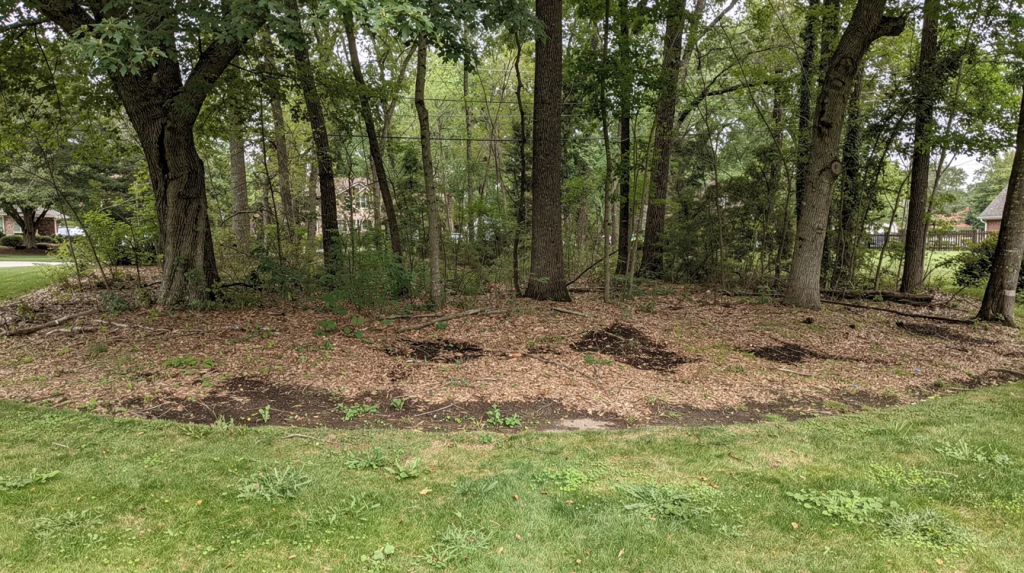
Common Shaded Tick Habitats and Leaf Litter Around Fairfield County Homes
Most Lyme-carrying ticks are picked up at home, especially along shaded edges rather than the center of a sunny lawn. Ticks are commonly found in naturalized or unmown areas with weeds and tall grass, especially in humid and shady areas.
Common tick habitats on Fairfield County properties include:
Wooded edges behind homes in New Canaan and Wilton that share conditions with Darien tick control service propertiesthat resemble shaded Westport tick control focus areas, where specialized New Canaan tick control services often focus treatments
Tree lines along driveways in Greenwich, which frequently require professional tick control across Greenwich properties
Perimeter borders in Stamford and Norwalk similar to coastal Fairfield tick treatment zonesthat benefit from local Norwalk tick prevention treatments, where residential Stamford tick control programs commonly target shaded transitions
Leaf litter bands along stone walls and old fieldstone foundations
Wood piles, stacked firewood areas, and shaded rock outcroppings
Dense ornamental plantings-pachysandra, English ivy, myrtle, and hosta beds
Ticks find ideal questing zones in overgrown shrubs and tall grass that provide high launch points to attach to hosts. CDC research confirms that many ticks stay within the first 9–10 feet of woodland edges. Shaded areas trap moisture and provide the cool, protected microclimates ticks need while waiting for passing hosts.
Damp spots around homes-under decks, beside sheds, behind pool equipment, around AC condensers, and along north-facing walls-also harbor significant tick populations, which standard backpack sprayer tick treatments often fail to reach effectively.
How Wildlife, Pets, and People Move Ticks Through Shaded Yards
Ticks don’t appear in yards on their own-they arrive on animals that travel along shaded, sheltered routes.
White-footed mice and chipmunks serve as key hosts for lyme disease bacteria. CAES findings indicate that many black legged tick nymphs become infected after feeding on these small mammals in brushy, shaded cover. Deer regularly follow tree lines, stone walls, and back fence rows in Westport, Weston, and Ridgefield properties, dropping adult ticks and spreading them into backyard tick habitats.
Birds and squirrels can carry ticks into elevated shrubs and ornamental plantings around patios and swing sets. Dogs and outdoor cats pick up ticks in shaded corners-along wooded paths, under hedges, near compost-then carry them onto decks and into homes, making targeted Greenwich tick and mosquito control especially important for pet owners.
An estimated 75% of tick bites occur during normal home activities such as gardening, playing with pets, or entertaining friends. Children playing along wood edges brush against vegetation where nymph-stage ticks quest, creating significant risk.
Wildlife reduction steps:
Move bird feeders away from high-use areas
Clean up spilled seed that attracts mice
Manage brush piles and seal stone walls where mice harbor
Tick Species, Lyme Disease Risk, and the Role of Shade
Multiple tick species exist in Connecticut, but black legged ticks (also called deer ticks) are the primary concern for lyme disease in Fairfield County. Deer ticks prefer shady, moist environments where they can avoid drying out.
Black legged ticks transmit bacteria including Borrelia burgdorferi (lyme disease bacteria), plus babesiosis and anaplasmosis pathogens. CAES 2025 surveillance found approximately 68% of adult female black legged ticks in Fairfield County tested positive for lyme disease bacteria.
The typical two-year life cycle moves through larva, nymph, and adult stages. Immature ticks, known as nymphs, are responsible for approximately 98% of all tick bites, with their activity peaking from May through July. Ticks that carry the bacteria responsible for Lyme disease typically lay eggs in batches of 3,000 or more, and some types can lay up to 15,000 eggs before they die.
Other species present include lone star ticks (associated with red meat allergy and ehrlichiosis) and American dog ticks (which can transmit rocky mountain spotted fever). While Rocky Mountain wood ticks are native to western states (like those affecting ixodes pacificus populations), spotted fever can also be transmitted by ticks local to the Northeast, similar to concerns in rhode island.
Powassan virus, though rarer, also exists in the region. Shaded microhabitats give all these species survival advantages by protecting them from drying out, allowing longer questing periods and increasing pathogen transmission odds.
Practical Landscaping Steps to Reduce Ticks in Shaded Yards
The goal isn’t removing every tree-it’s tuning shaded landscapes to be less inviting to ticks while preserving property character. Ticks thrive in shady, moist environments, making it essential to keep yards well-maintained by reducing tall grass and weeds to minimize tick habitats.
Effective habitat modifications:
Regular leaf litter removal: Eliminates hiding spots and reduces humidity
Trim low branches: Improves airflow, allows as much sunlight as possible
Thin dense groundcovers: Removes humid tick environments
Create a 3-foot buffer: A 3-foot-wide barrier of dry wood chips, gravel, or mulch between wooded areas and lawn helps prevent tick migration
Mow consistently: Mowing the lawn frequently to a height of 3 inches helps expose soil to drying sunlight
Reduce humidity, remove leaf litter, and create dry, sunny barriers
Prune shrubs, bushes, and tree branches to increase sunlight penetration and reduce moisture
Remove thick ground cover in high-use areas, such as pachysandra or ivy, to eliminate humid environments
To keep your yard safe, establish outdoor play areas in sunny areas away from dense vegetation. Relocate swing sets and seating away from deep shade at back property lines. Keep areas free of tall grass, weeds, and garden debris, which also helps discourage small mammals that carry ticks.
Natural deterrent plants that can thrive in shady areas include fragrant herbs like mint, lemon thyme, lemon balm, and bee balm. Using natural repellents with strong scents, like lavender or rosemary, can help deter ticks. Alliums like chives and garlic provide additional natural protection. Japanese barberry, however, should be avoided as it actually harbors ticks.
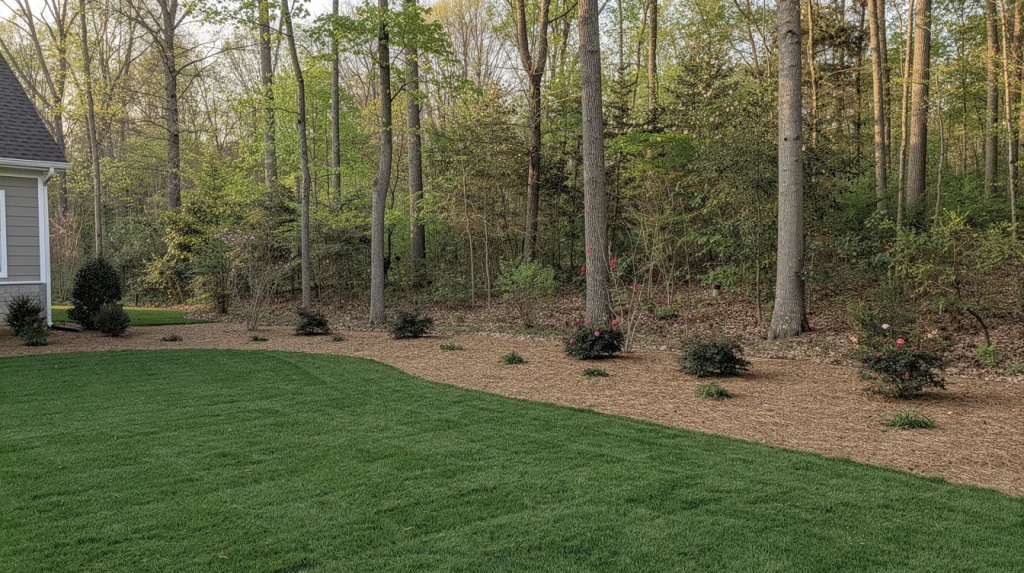
Targeted Tick Control to Kill Ticks in Shaded and Wooded Properties
Because ticks concentrate in shaded, humid microhabitats, successful tick control must focus on these zones rather than just a narrow perimeter spray along the house foundation.
Full-property treatments covering wooded edges, ornamental beds, stone walls, and lawn edges are essential-especially on large, mature lots in Wilton, Weston, and Ridgefield, where seasonal Weston tick control services can be tailored to shaded properties. Safe Tick Control uses commercial-grade high-pressure skid sprayers to reach dense shrubs, tall hedges, and deep groundcovers where standard backpack sprayers can’t effectively kill ticks.
Professional treatments typically combine:
Residual synthetic products (approximately 30-day protection)
Organic cedar oil spray treatments (every 2–3 weeks)
Tick tubes placed along stone walls and brush lines containing permethrin soaked cotton that mice carry back to nests
Tick tubes target mice carrying immature black legged ticks, helping break the disease control cycle at the wildlife level. Timing treatments around peak nymph activity (late spring/early summer) and fall adult tick peaks aligns with CAES guidance for effective prevention.
All applications follow EPA and product label requirements with attention to child and pet safety. More research continues on optimal treatment timing, but current data supports seasonal programs spanning six to eight weeks during peak activity.
Seasonal Tick Patterns in Shaded Fairfield County Yards
Due to shade and moisture retention, many Fairfield County properties experience active ticks from early spring thaw into late fall.
Seasonal activity overview:
Spring (April–May): Nymph emergence in leaf litter along woods and stone walls
Summer (June–August): Continued nymph and some adult activity in shaded beds
Fall (September–November): Adult deer ticks questing along wooded borders
Shaded yards remain hospitable for questing ticks even during hot July and August when fully exposed turf becomes too dry. Mild winters in coastal communities like Greenwich, Stamford, Norwalk, and Fairfield allow adult ticks to remain active on warmer days when ground isn’t frozen.
Key times for tick checks, yard inspections, and scheduled tick control work are late May through July when risk from nymphs is highest, and reviewing an up-to-date Fairfield County tick forecast for 2026 can help homeowners stay ahead of changing conditions. Track local updates through CAES, CT Department of Public Health, or town health departments for detailed information on current regional conditions.
Personal and Family Protection in Shaded Outdoor Spaces
Even with good lawn care and tick control, personal precautions remain essential in heavily shaded yards.
Protection measures:
Use EPA-registered repellents (DEET, picaridin, IR3535) when spending time near wood lines or brush
Treat shoes and outdoor clothing with permethrin-studies show significant reductions in tick bite occurrence
Conduct daily tick checks after outdoor time, focusing on scalp, ears, waistband, knees, and underarms
Designate tick check routines for kids and pets after playing near woods or groundcovers
Prompt, proper removal with fine-tipped tweezers prevents infection if you do find an attached tick. One tick bite can transmit bacteria if the tick remains attached long enough. There is currently no widely available human lyme disease vaccine as of 2026, so prevention relies on avoiding bites through the following steps: early detection, personal protection, and quick removal.
Dogs benefit from regular veterinary tick prevention. Keeping trash cans secured reduces wildlife attraction. Consider creating a visual reminder near back doors for tick checks.

Frequently Asked Questions
Are ticks really more common in shaded parts of my yard than in sunny lawn areas?
Research from CDC and CAES consistently shows deer ticks surviving far better in shaded, humid microclimates than in open, sun-exposed grass. While a tick can occasionally be found mid-lawn, most are picked up along shaded edges where lawn meets woods, shrubs, or stone walls. Focus inspection and prevention efforts on these transition zones where ticks quest for hosts including people and animals.
Do I need to remove trees to reduce ticks in my yard?
Tree removal is rarely necessary for tick control. It’s more effective to adjust how shade is managed-raising lower branches, thinning dense plants, and improving airflow to help shaded areas dry faster. Many Fairfield County properties maintain mature trees while significantly reducing tick habitat through leaf cleanup, brush trimming, and creating mulched or gravel buffers that allow more sunlight to reach ground level.
What are tick tubes and do they make sense for shaded Connecticut yards?
Tick tubes are cardboard tubes filled with treated cotton that white-footed mice carry back to nests, killing immature ticks that feed on them and helping protect against infection. They’re typically placed along shaded stone walls, wood piles, and brushy edges twice yearly. Tick tubes work best as part of a broader program-combined with habitat reduction and yard treatments-rather than as standalone solutions in high-pressure Fairfield County environments.
How often should shaded yards in Fairfield County be treated for ticks?
Frequency depends on property conditions: synthetic products often last about 30 days, while organic cedar oil treatments require scheduling every 2–3 weeks. Many shaded or wooded properties in Greenwich, New Canaan, Wilton, and Ridgefield benefit from season-long programs starting in April and continuing into fall to cover both nymph and adult activity periods. Consult a local professional who understands Connecticut tick pressure to protect your specific property.
If I rarely see ticks, does that mean my shaded yard is safe?
Ticks are small-nymphs can be poppy seed-sized-and often go unnoticed. Many Lyme infections occur without the person ever noticing the tick, especially in areas with heavy leaf litter and groundcovers. Not seeing ticks doesn’t mean they’re absent. Periodic yard assessments, consistent personal protection, and preventative tick control are recommended on higher-risk shaded properties even when visible encounters have been rare. Bite humans they will-given opportunity.