
Connecticut homeowners are used to hearing about ticks and Lyme disease. Now another concern is getting attention: alpha-gal syndrome in Connecticut, often described as a red meat allergy from tick bites. While it is not a reason to panic, it is a strong reminder to take tick prevention seriously around wooded, shaded Fairfield County properties.
This article is designed specifically for Connecticut homeowners who are concerned about tick-borne illnesses and want to stay informed about emerging health risks in their area. Here, we will cover what alpha-gal syndrome (AGS) is, why it matters in Connecticut, the symptoms to watch for, practical prevention strategies, and the latest trends in local tick populations. Whether you live in Greenwich, Darien, New Canaan, Stamford, Westport, Weston, Wilton, Ridgefield, Norwalk, or Fairfield, understanding AGS and how to protect your family and pets from tick bites is essential for maintaining a safe and healthy home environment.
Alpha-gal syndrome in Connecticut: quick answers for homeowners
Alpha gal syndrome is the medical name for the “red meat allergy from tick bites,” sometimes called tick bite meat allergy. In the U.S., AGS is linked mainly to lone star tick bites from the lone star tick, Amblyomma americanum, a tick species now reported more often in Connecticut and the Northeast.
For homeowners in Greenwich, Darien, New Canaan, Stamford, Westport, Weston, Wilton, Ridgefield, Norwalk, and Fairfield, AGS belongs in the broader conversation about preventing tick bites, including professional tick and mosquito prevention services across Fairfield County. The CDC’s alpha-gal syndrome guidance and connecticut agricultural experiment station tick updates are tracking changes in tick species found locally. Anyone with possible allergy symptoms after eating red meat should seek medical attention from a healthcare provider rather than self-diagnosing.
What is alpha-gal syndrome (the “red meat allergy from tick bites”)?
Alpha-gal syndrome is a food allergy to alpha gal, a sugar molecule found in most mammals, including beef, pork, lamb, venison, other mammals, and some mammal-derived other foods. Birds and fish are different.
After a tick bite, the immune system may become sensitized. Later, eating meat or exposure to dairy products, gelatin, certain medications, or other mammal products can trigger an allergic reaction. Not every one tick bite causes AGS, and not every red meat allergy is caused by ticks. CDC, Yale School of Public Health, and other public health groups continue studying what risk factors make some humans react and others not.
Are lone star ticks in Connecticut and Fairfield County?
Yes. The connecticut agricultural experiment station has reported that the lone star tick, historically more southern, is appearing more often in Connecticut. In Connecticut, the three major tick species linked to different diseases caused by tick bites in people are the blacklegged tick (Ixodes scapularis), the American dog tick (Dermacentor variabilis), and the lone star tick (Amblyomma americanum).
The deer tick, or blacklegged tick, remains the main concern for Lyme disease. The blacklegged tick is responsible for transmitting several diseases, including Lyme disease, anaplasmosis, babesiosis, and Powassan virus, making it a significant concern in Connecticut. CAES has noted lone star ticks in multiple counties; they remain less common than deer ticks but are no longer just rare finds. In Connecticut, regions like Middlesex County have reported elevated suspected cases of AGS, ranging between 11 and 87 suspected cases per 1 million residents.
Environmental changes, warming seasons, wildlife movement, and increasing deer populations are all cited as contributors to more ticks. Recent research indicates that tick populations in Connecticut have increased by approximately 25% compared to the previous year, raising concerns for public health.

How alpha-gal syndrome develops after a tick bite
In some people, tick bites are causing AGS, and researchers believe some ticks that have fed on mammals may introduce alpha-gal through saliva during a bite. The body can respond by producing IgE antibodies, so later exposure to red meat or sometimes dairy may cause AGS symptoms.
This is different from infection. Lyme disease involves bacteria, especially borrelia burgdorferi, carried by an infected tick such as ixodes scapularis. AGS is an allergy, not a disease caused by a virus causing acute fever. Reactions are unusual because they often occur 2 to 6 hours after eating a trigger food. As lone star ticks spread in Connecticut due to environmental changes, more tick bites are linked to rising AGS cases.
Symptoms Connecticut residents should know about
Common symptoms of AGS include severe hives, gastrointestinal distress, respiratory issues, and systemic failures. Symptoms can range from mild to severe and may include hives, stomach pain, vomiting, diarrhea, trouble breathing, low blood pressure, or anaphylaxis, which can occur 2 to 6 hours after consuming trigger foods.
Alpha-gal syndrome can result in life-threatening anaphylaxis and requires emergency preparedness with epinephrine auto-injectors when prescribed. If someone has throat tightness, wheezing, severe dizziness, fainting, or rapidly worsening symptoms, call 911.
Diagnosis and medical care: Working with your healthcare provider
Diagnostic testing for AGS typically includes alpha-gal-specific IgE blood tests to identify the allergy in patients. A healthcare provider may also review tick bites, timing of symptoms, and reactions after beef, pork, lamb, or other mammal products.
Testing is nuanced: some people have antibodies without noticeable illness. Management of AGS typically involves avoiding all mammal-derived products, including beef, pork, lamb, and sometimes dairy, as these can trigger allergic reactions. Treatment decisions, including epinephrine, diet changes, and follow-up, should come from an allergist or qualified medical professional.
Alpha-gal syndrome vs. Lyme disease and other tick-borne illnesses
Connecticut consistently ranks among the states with the highest rates of Lyme disease, which is a significant concern as tick populations continue to grow. Tick borne diseases and tick borne illnesses in Connecticut include diseases acquired from several tick species, particularly lyme disease, babesiosis from babesia microti, anaplasmosis, Powassan, and other tick borne concerns.
The American dog tick can be associated with rocky mountain spotted fever, caused by rickettsia rickettsii, though rocky mountain illness is uncommon here. Lone star ticks are associated with ehrlichiosis, including Ehrlichia chaffeensis tularemia discussions in public health resources. Other tick species, including ixodes cookei, can carry different risks. The disease depends on the tick, pathogen, timing, and exposure.
Emerging concern: why you’re hearing more about alpha-gal syndrome now
CDC reports more than 110,000 suspected AGS cases nationally from 2010–2022, with estimates possibly much higher. Better testing has brought more cases to light.
Connecticut’s surveillance network also matters. The Connecticut Department of Public Health tickborne disease resources and CAES updates help residents understand tick species, disease control, and spread types changing across the region. In other countries, different tick species are linked to different tick-borne illnesses and risk patterns. Public health organizations are actively educating residents about the lone star tick and associated health risks, and public health conducts surveillance because ticks can bring ticks into yards on deer, pets, birds, and wildlife.
Tick habitats on Connecticut properties: where exposure really happens
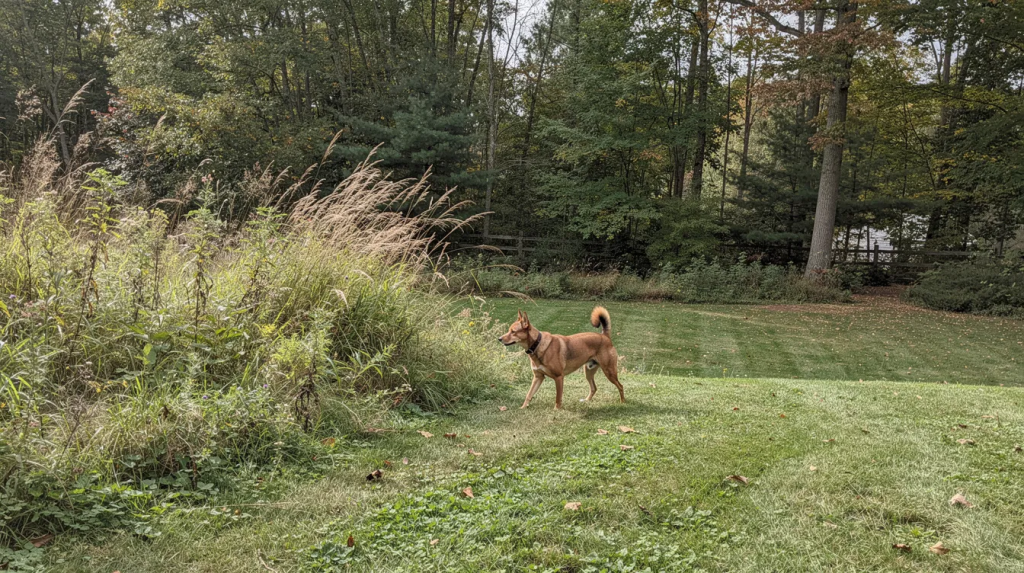
In Fairfield County, exposure often happens close to home: wooded areas, brush lines, stone walls, leaf litter, pachysandra, shaded ornamental beds, lawn edges, and deer trails. Ticks quest on low vegetation and attach to people or pets brushing past.
A single property can support several tick species, including deer tick, lone star, and american dog tick. Greenwich, New Canaan, Wilton, Weston, and Ridgefield properties with mature trees and deer corridors often carry higher risk, which aligns with Fairfield County tick activity forecasts and prevention guidance.
Practical steps to reduce tick exposure around your home
The best way to prevent tick bites is to avoid areas where ticks are commonly found, such as wooded and bushy areas with long grass. When that is not realistic:
Use insect repellents that contain DEET on exposed skin and permethrin on clothing.
Wear light colored clothing; tucking pants into socks helps make ticks visible.
Check scalp, behind ears, waistline, and backs of knees after yard work or play.
Check pets daily and use veterinarian-recommended preventives.
Remove ticks with fine-tipped tweezers; avoid burning or petroleum products.
Preventing future tick bites is crucial as new exposures can exacerbate the allergy by driving alpha-gal antibody levels back up.
Landscape and yard management to make your property less tick-friendly
Good yard work and professional tick and mosquito control services in Greenwich, Connecticut reduce tick populations. Mow regularly, remove leaf litter, trim low branches, clear brush piles, and keep wood piles away from play areas. Create wood chip or gravel buffers between lawns and woods.
Professional tick prevention from a dedicated Greenwich tick control company is one layer. Full-property spraying reaches lawns, shaded beds, stone walls, and borders where ticks actually live, rather than only the perimeter.

How Safe Tick Control approaches tick reduction in Fairfield County
Safe Tick Control focuses on residential tick and mosquito reduction in Fairfield County, including targeted tick control and prevention services in Greenwich. Our approach emphasizes full-property coverage with commercial skid sprayers across lawns, wooded edges, stone walls, pachysandra, and shaded landscape beds, similar to our tick control and prevention programs for Fairfield, Connecticut properties.
Synthetic treatments typically provide about 30 days of residual control, which is how we structure organic and conventional tick spray programs in Darien, Connecticut. Organic cedar oil programs are usually applied every 2–3 weeks, as with our tick and mosquito control services in Stamford, Connecticut. Reducing encounters with deer ticks, lone star ticks, and American dog ticks can help lower overall risk from Lyme disease, alpha-gal syndrome, and other tick-related issues, and our Westport, Connecticut tick control services are designed with that goal in mind.
When to seek medical attention and where to find reliable information
Contact a healthcare provider for unusual delayed symptoms after red meat, repeated reactions after mammal products, or illness after a known bite. Trouble breathing, throat tightness, chest pain, severe dizziness, or fainting requires emergency medical attention.
Reliable resources include the CDC, CAES tick resources, the connecticut department of public health, and Yale public health research summaries, along with detailed tick control information for New Canaan, Connecticut homeowners. This article is educational only and cannot diagnose or treat gal syndrome, alpha-gal syndrome, infection, or any other condition, but it pairs well with practical options like Norwalk tick control and prevention services and tick management programs tailored for Weston, Connecticut. For Fairfield County homeowners, the practical path is clear: combine medical guidance with consistent tick prevention at home.