
Pet-Friendly Tick & Mosquito Control: Fast Answers for CT Dog & Cat Owners
Ticks and mosquitoes are a serious concern for Connecticut homeowners—especially those with dogs and cats who love exploring the backyard. Connecticut reports some of the highest Lyme disease rates in the country, and pets face similar risks from tick-borne infections. Mosquitoes add another layer of concern, particularly heartworm disease in dogs and cats, which can be contracted when pets are bitten by infected mosquitoes.
The good news: your yard can be managed in a pet-friendly way when treatments are applied correctly. “Pet-friendly when used properly” means selecting the right products, following label directions precisely, and keeping pets off treated areas until surfaces are completely dry.
Safe Tick Control provides professional yard treatment plans designed around pets, kids, and local pollinators throughout Fairfield County. Our approach rests on three pillars: habitat reduction in your yard, consistent professional yard treatments when needed, and vet-recommended tick and mosquito prevention for each pet. For homeowners wanting details right away, explore our [Tick Control Services] and [Mosquito Control Services].

Caption: Enjoying your CT backyard safely starts with a smart tick and mosquito strategy. Alt text: Dog playing in Connecticut backyard with owner after pet-friendly tick control treatment.
What “Pet-Friendly” Tick & Mosquito Control Really Means
The phrase “pet-safe” gets used loosely in marketing. Here’s what pet-friendly actually means in practical terms for your household.
Pet-friendly means:
Products are EPA-registered and labeled for residential yard use
Applications follow label directions exactly
Pets stay off treated areas until surfaces are completely dry
Water bowls, toys, and pet beds are removed before treatment
Treatments are timed around your family’s routine
Technicians use calibrated equipment for precise, targeted delivery
High-risk zones are prioritized over blanket lawn spraying
No outdoor product—natural or synthetic—is 100% risk-free. However, risk stays very low when applications are targeted, measured, and performed by trained technicians following label directions.
Safe Tick Control offers both all-natural/plant-oil treatment options and synthetic treatment options. We design each professional yard treatment plan based on the property layout, tick and mosquito pressure, and family preferences. This article won’t recommend specific pet medications—consult your veterinarian for individualized advice on flea and tick preventatives.
How Dogs & Cats Pick Up Ticks and Mosquito Bites in Connecticut Yards
In Fairfield County and nearby CT communities, common yard scenarios create prime tick and mosquito habitat: wooded property edges, stone walls, shaded lawns, and wet low spots where pets roam, so targeted tick control for dogs and families becomes an important part of keeping outdoor spaces safe.
Ticks don’t jump or fly. Instead, they quest—climbing low vegetation along woodlines, tall grass, leaf litter, and stone walls, then waiting for dogs, cats, or humans to brush past. Research shows 60% of yard ticks concentrate within 10 feet of woodlines, making perimeter zones the highest-risk areas for pets sniffing around property edges. Pets can also pick up lice in addition to ticks and fleas when exploring these outdoor environments.
Mosquitoes rest in shaded, humid places: dense shrubs, under decks, and near standing water sources like birdbaths, clogged gutters, forgotten toys, and tarps. These are exactly the spots where curious dogs and hunting cats spend time, especially during dawn and dusk when mosquitoes are most active.
Indoor vs. outdoor risk:
Ticks are almost exclusively acquired outdoors in CT yards
Mosquitoes breed and rest outdoors but can enter homes through doors and windows
Less than 5% of ticks persist indoors without hosts
Connecticut has one of the highest Lyme disease incidences in the U.S., affecting both humans and pets. The asian longhorned tick has also been identified in the region, adding to tick concerns. Rocky mountain spotted fever, while less common here than in other states, remains a possibility. For health concerns about tick-borne diseases, speak with your veterinarian and physician. When choosing pet friendly tick control, it’s important to select products that kill ticks after attachment, not just repel them, to help prevent disease transmission.
Caption: High-risk tick zones in a typical Connecticut yard. Alt text: Connecticut backyard diagram showing common tick habitat areas along woods and stone walls.
All-Natural vs Synthetic: What Pet Owners Should Know
Safe Tick Control offers both all-natural/plant-oil treatments and synthetic treatments. Each has distinct characteristics pet owners should understand, and many homeowners in towns like Greenwich, CT rely on professional tick and mosquito control to apply them safely and effectively.
All-Natural / Plant-Oil Treatment:
Duration: 2-4 weeks of control
Frequency: 4-6 applications per season typically needed
Odor: Minimal, often pleasant
Rainfastness: Typically rainfast after 1-2 hours once dry
Best for: Areas near patios, play zones, or high pet/kid activity
Uses essential oils like cedar or peppermint derivatives
May cause skin irritation in sensitive pets if contacted wet
Synthetic Treatment:
Duration: 4-8 weeks of control
Frequency: Fewer applications needed per season
Some synthetic products provide protection for up to eight weeks between applications, ensuring continuous coverage against ticks and fleas.
Odor: Faint, dissipates quickly
Rainfastness: Usually rainfast in 30-60 minutes once dry
Best for: High-pressure sites with deep woodlines
Higher efficacy against heavy infestations (kills adult fleas and ticks on contact)
Requires stricter dry-time exclusion
Neither option is inherently “safe” or “dangerous.” Both demand label adherence, and pets must stay off turf and vegetation until dry. A professional yard treatment plan can mix approaches—plant-oil treatments near patios, synthetic treatments focused on deep woodlines—depending on your goals and tick pressure.
Always align yard treatments with your veterinarian’s recommendations for pet-specific preventatives. Yard tick treatments complement but never replace vet care.
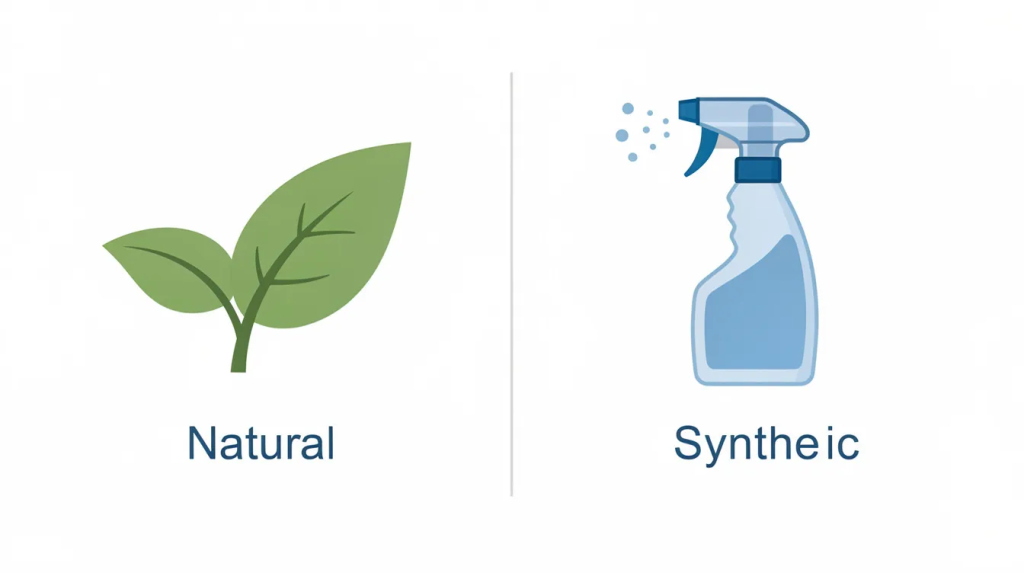
Caption: Both treatment types work when applied correctly—your choice depends on pressure and preferences. Alt text: Graphic comparing plant-oil and synthetic tick and mosquito yard treatments for pet owners.
Flea and Tick Preventatives for Pets: What Works and What’s Safe
Choosing the right flea and tick preventatives is one of the most important steps you can take to protect your pets from the dangers of ticks, fleas, and the diseases they carry. With so many options available, it’s essential to focus on both efficacy and safety.
Topical treatments are among the most common choices for tick prevention. Products containing fipronil or permethrin are widely used to kill adult fleas and ticks, helping to break the life cycle and prevent future infestations. These tick preventatives are typically applied directly to your pet’s skin, usually between the shoulder blades, and can provide protection for several weeks at a time.
However, not all pets react the same way to these products. Some dogs and cats may experience skin irritation, redness, or itching at the application site. In rare cases, certain ingredients—such as isoxazoline compounds—have been linked to more serious side effects, including neurological symptoms. That’s why it’s crucial to consult your veterinarian before starting any new flea and tick product, especially if your pet has a history of sensitive skin or other health concerns.
Your veterinarian can help you weigh the benefits and risks of different tick preventatives, taking into account your pet’s age, weight, health status, and lifestyle. They can also recommend the most effective dose and application schedule, ensuring your pet stays protected without unnecessary risk. Remember, never use a product labeled for dogs on cats, as some ingredients (like permethrin) can be toxic to felines.
By working closely with your vet and following label instructions, you can choose a flea and tick preventative that keeps your pets safe, comfortable, and free from parasites all season long.
Building a Pet-Friendly Professional Yard Treatment Plan
A professional yard treatment plan typically includes: property inspection, mapping high-risk areas, selecting products (all-natural/plant-oil or synthetic), and scheduling repeat visits through CT’s tick and mosquito season—roughly April through October, adjusting for weather.
Key tick-focused zones:
Woodlines and brushy borders
Shaded property edges
Stone walls and rock piles
Leaf-litter pockets
Paths pets use to enter woods or fields
Key mosquito-focused zones:
Dense shrubs
Under decks and porches
Around standing water sources
Low spots that hold water after rain
Shaded corners where dogs and cats rest
Blanket spraying every square foot of lawn is often unnecessary. Targeting habitat reduces overall chemical load while maintaining protection. Targeted treatments help rid your yard of mosquitoes and ticks while minimizing chemical use, as demonstrated by our pet- and family-safe tick control services in Fairfield, CT. This approach can reduce chemical application by 70-90% compared to broadcast spraying.
Scheduling aligns with pet routines: visits when pets are at daycare, on walks, or inside. Clear communication confirms when pets can safely re-enter once treated areas are dry.
Safe Tick Control offers same-day or next-day service when schedules allow, plus a 30-day tick-free guarantee on eligible synthetic treatments.
Essential Oils for Mosquito Repellent: Are They Safe for Pets?
Many homeowners are drawn to essential oils as a natural alternative for mosquito repellent, hoping to avoid harsh chemicals around their pets. While oils like citronella, lemongrass, and lavender are popular in natural mosquito sprays, it’s important to know that not all essential oils are safe for dogs and cats.
Some essential oils can cause skin irritation, especially if applied directly to your pet’s skin or fur. Ingesting even small amounts—whether by licking treated fur or grooming—can lead to gastrointestinal upset, drooling, or more serious health issues. For example, tea tree oil, often touted as a natural flea and tick repellent, is toxic to both dogs and cats and should never be used on pets.
Because pets are more sensitive to certain compounds than humans, always consult your veterinarian before using any essential oil-based mosquito repellent around your animals. Your vet can help you determine which products, if any, are safe for your specific pets and how to use them properly. If you do choose to use essential oils, select only high-quality, pure oils that are clearly labeled as safe for pets, and never apply them undiluted, and consider pairing them with professional tick and mosquito control in Westport, CT for more reliable protection.
When in doubt, prioritize your pet’s safety and opt for veterinarian-approved mosquito control methods. Natural doesn’t always mean risk-free—so careful research and professional guidance are key to keeping your pets healthy and comfortable.
Pollinator-Conscious, Pet-Friendly Practices in Your Yard
Bees, butterflies, and other pollinators are vital to Connecticut’s 300+ native plant species. It’s possible to be pollinator-conscious while still controlling ticks and mosquitoes for your pets.
Safe Tick Control uses “pollinator-conscious” practices rather than claiming treatments are completely risk-free for pollinators. Here’s how homeowners can help:
Homeowner actions for pollinator protection:
Mow or trim flowering weeds (clover, dandelions) before service
Point out vegetable gardens, flowering beds, beehives, and butterfly gardens to your technician
Ask to leave blooms untreated when possible
Flag sensitive areas clearly before treatment day
Professional application practices:
Avoid treating blooming flowers and flowering weeds
Focus treatments on high-risk zones (woodlines, shaded vegetation, under decks)
Use full-yard treatments only when truly needed
Schedule applications when pollinators are less active, when allowed by label
According to EPA guidance and university extension resources, avoiding applications to blooming plants and timing treatments appropriately can reduce pollinator exposure by up to 80% compared to broadcast applications, an approach we also use in our tick control programs for Weston, CT homeowners.

Caption: Avoiding blooms during treatment helps protect pollinators. Alt text: Bee on backyard flower illustrating pollinator-conscious tick and mosquito control practices.
Application and Frequency: How Often Should You Treat Your Yard?
Effective mosquito control in your yard depends not just on the products you choose, but also on how often you apply them. The right application schedule helps keep mosquito populations in check while minimizing exposure risks for pets and family members.
For most Connecticut homeowners, mosquito yard treatments are recommended every 3-4 weeks during peak mosquito season, which typically stretches from spring through early fall. This frequency helps maintain a protective barrier and reduces the chances of mosquitoes breeding and biting in your outdoor spaces.
Some treatments, especially those containing permethrin or other fast-acting ingredients, may need to be reapplied more often—particularly after heavy rain or frequent lawn watering, which can wash away the protective layer. Always follow the product label and your pest control provider’s instructions for the safest and most effective results, as we outline in our Stamford, CT tick and mosquito treatment plans.
When scheduling treatments, consider your pets’ routines and minimize their exposure by keeping them indoors until treated areas are completely dry. If you have concerns about the timing or frequency of applications, consult with your pest control professional or veterinarian to tailor a plan that fits your yard and keeps your pets safe.
By staying consistent with your mosquito control treatments and taking simple precautions, you can enjoy a comfortable, bite-free yard all season—without putting your pets at unnecessary risk.
Pet-Friendly Yard Treatment Checklist: Before & After Service
Use this practical checklist to prepare for and follow up after your yard treatment.
Before your yard treatment:
Pick up pet bowls and water dishes
Remove pet toys from treated areas
Move beds, crates, and outdoor pet furniture off the lawn
Close dog and cat doors
Mow or trim high grass and flowering weeds
Clear children’s play items
Show the technician where pets usually spend time
Mention any vegetable gardens or pollinator areas
After your yard treatment:
Keep dogs and cats off treated grass and vegetation until completely dry
Avoid watering the lawn immediately unless advised otherwise
Return bowls and toys only after surfaces are dry
Observe pets for unusual behavior (lethargy, gastrointestinal upset, vomiting)
Contact your vet with any concerns
Resume normal yard use once surfaces are dry and technician has cleared re-entry
Consider wiping paws when pets first re-enter
Always follow the specific instructions provided by the technician and the product label for re-entry guidance. Dry time varies by product and weather conditions.
Practical Tick & Mosquito Prevention Around Your Home
Even the best yard treatment works best when combined with smart habitat management and daily habits for pets and people.
Tick habitat reduction:
Remove leaf litter along stone walls and fences
Keep grass trimmed along woodlines and play areas
Create a 3-foot wood-chip or gravel buffer between lawn and woods (studies show 95% reduction in tick crossing)
Stack firewood neatly and away from play areas
Discourage deer with fencing or resistant plantings; in wooded neighborhoods, many families rely on seasonal tick control in New Canaan, CT alongside landscaping changes
Mosquito reduction:
Empty standing water from buckets, toys, and planters weekly (mosquitoes breed in as little as a bottle cap of water)
Maintain birdbaths with fresh water
Clear clogged gutters
Adjust sprinklers to avoid puddling, and consider adding a targeted tick and mosquito program in Norwalk, CT if standing water is hard to eliminate
Trim dense shrubs where mosquitoes rest during daytime
Daily habits:
Perform tick checks on dogs, cats, and family members after time near woods or tall grass
Check behind ears, armpits, and between toes on pets
Shower after hikes or extended outdoor time
Brush dogs after yard play, especially during peak months (spring through fall in CT)
When using topical flea and tick preventatives, always apply the product directly to your dog’s skin, not just the fur, to ensure proper absorption and maximum effectiveness; pairing this with pet-focused tick and mosquito control in Darien, CT further reduces your dog’s exposure risk.
According to CDC guidance on tick bite prevention, daily tick checks can prevent up to 80% of tick attachments. For tick removal, grasp close to the pet’s skin with fine-tipped tweezers, pull steadily upward, and clean the area with alcohol. This is general information—contact your veterinarian for any health concerns.
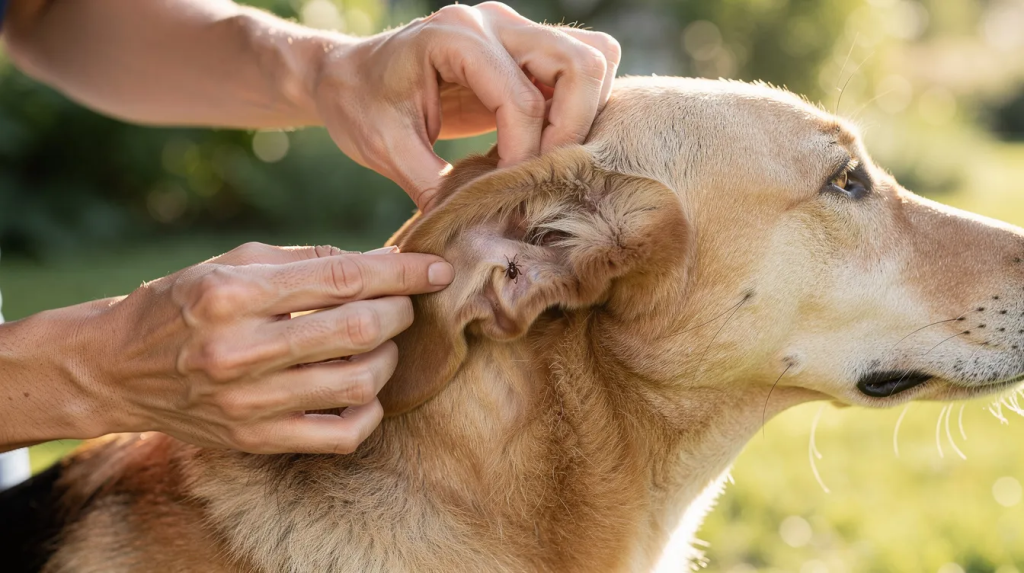
Caption: Routine tick checks catch hitchhikers early. Alt text: Owner performing a gentle tick check behind a dog’s ear after outdoor play.
Working with Your Veterinarian: Yard Treatments + Pet Preventatives
Yard treatments do not replace veterinarian-prescribed flea and tick preventatives or heartworm prevention—they complement each other to reduce overall risk for pets and families.
Your vet can consider each pet’s age, weight, health history, and lifestyle when recommending preventatives. Options may include a topical treatment, monthly chew, collar, oral medication such as a pill, or other forms applied monthly or even providing protection up to eight months depending on the topical product or tick product chosen. Some topical medications require caution around cats due to sensitivity, so always consult your veterinarian about what’s appropriate for multi-pet households. Using veterinarian-recommended medication is essential for effective parasite prevention and to address concerns about internal parasites and potential side effects.
This article does not suggest specific medications or dosages. Instead, bring questions about yard treatments to your vet appointments so they can factor environmental control into their recommendations.
Many vets in Connecticut recommend year-round preventatives because ticks can be active on mild winter days above approximately 40°F. Ask your vet how to coordinate timing of doses with yard treatment visits for consistency.
Homeowner FAQ: Pet Safety, Yard Re-Entry & Pollinators
Is tick and mosquito yard spray safe for my dog? When treatments are pet-friendly and used properly—meaning label-following application and keeping dogs off treated areas until dry—risk is minimized. Supervision after re-entry helps prevent excessive grass licking.
What about my indoor/outdoor cat? Cats groom extensively, which increases oral exposure risk. Keep cats indoors until treated surfaces are completely dry. Consult your veterinarian about any product concerns, especially since some treatments require special considerations for felines.
How long should I keep pets off the grass after treatment? Follow the specific product label and technician guidance. The general rule: wait until treated areas are fully dry, which varies by weather and product type.
What if my dog licks the grass after treatment? Minimize licking by supervising pets during their first return to the yard. Follow re-entry instructions carefully. If you notice symptoms like excessive drooling, lethargy, or vomiting, contact your veterinarian promptly.
What if it rains after my yard is treated? Modern treatments are typically rainfast once dry. Heavy rain shortly after application may reduce efficacy. Contact Safe Tick Control for guidance or information about our re-treatment policy.
How do you protect bees and butterflies? We use pollinator-conscious practices: avoiding blooms, targeting woodlines instead of flowering areas, and applying when pollinators are less active when label-compliant. EPA and university extension guidelines inform these practices.
Can these treatments track inside on paws? Wipe paws when re-entry is allowed, use doormats at entry points, and wait until treated areas are fully dry before allowing normal access.
Are DIY products from the hardware store safer? Misapplied DIY products can actually increase exposure risk through overdosing or improper coverage. Professional application uses calibrated equipment and targeted methods that typically reduce overall chemical exposure compared to consumer sprays.
Is the yard safe for kids and pets to play together after treatment? Yes, once treated surfaces are completely dry and the technician has cleared re-entry. Always follow the specific guidance provided for your treatment.
Do yard treatments repel fleas too? Many yard treatments kill fleas and help eliminate flea larvae in treated zones. However, yard treatment alone won’t replace a comprehensive flea and tick product recommended by your veterinarian for your pet’s skin protection.
Should I use mosquito repellent on my dog? Never apply human mosquito repellant to pets without consulting your veterinarian. Some ingredients that are safe for humans can be harmful to dogs and cats.
What about ticks on wildlife passing through? Deer and rodents carry ticks into yards continuously. Targeted perimeter treatments, habitat reduction, and ongoing mosquito spray and tick treatments throughout the season help maintain protection despite wildlife activity.
Where can I find expert guidance on pet friendly tick control? For authoritative advice on parasite prevention and pet health, consult veterinary experts such as Dr. Aly Cohen, a clinical instructor at the Riney Canine Health Center. Dr. Cohen’s expertise in veterinary parasitology and her role in teaching at Cornell’s Riney Canine Health Center provide valuable insights into safe and effective tick control for pets.
Service Area & How Safe Tick Control Helps CT Pet Owners
Safe Tick Control partners with local families to create pet- and pollinator-conscious yards through inspection, targeted treatments, and ongoing education. We believe effective tick control and mosquito control doesn’t require putting pets or pollinators at unnecessary risk.
We serve homeowners across Fairfield County and nearby Connecticut communities, including Greenwich, Stamford, Darien, New Canaan, Westport, Weston, and Norwalk, with options like organic tick spray and prevention in Greenwich, Connecticut. Visit our [Service Area Pages] for complete coverage details.
Whether you prefer an all-natural/plant-oil approach or a synthetic professional yard treatment plan, we design services around your home and pets. Schedule a pet- and pollinator-conscious inspection to discuss what fits your property.
Ready to learn more? [Contact / Get a Quote] to start a conversation—no pressure, just practical guidance for your CT yard.
Learn More & Helpful Resources
For homeowners wanting to go deeper on tick prevention, our [Tick Prevention Guide] offers step-by-step instructions on yard and personal protection beyond this overview.
Explore our Tick Control Services and Mosquito Control Services for detailed information on treatment options and scheduling.
Helpful external resources:
CDC guidance on tick bite prevention and tick removal basics provides reliable information for families and pet owners
EPA and university extension publications on pollinator protection during pesticide applications offer science-based best practices
The goal isn’t a perfectly sterile yard—it’s a thoughtfully managed outdoor space where pets and families can enjoy Connecticut’s seasons with less worry about ticks and mosquitoes.