
Most ticks in Connecticut do not die in winter. Cold weather slows them down, but the majority survive by sheltering in leaf litter, soil pores, and protected microhabitats across your property. Here’s what Greenwich-area homeowners actually need to know.
Key Takeaways
Most blacklegged ticks (deer ticks) survive winter in Connecticut. The belief that cold winters kill ticks is largely a myth-typical winter conditions do not eliminate most tick populations, according to researchers.
Adult blacklegged ticks can become active on mild winter days when temperatures rise above roughly 35–40°F, meaning Lyme disease risk never fully disappears in Greenwich, Darien, New Canaan, or North Stamford.
Snow and leaf litter insulate ticks from freezing temperatures rather than helping to kill ticks, especially in wooded backyards and along stone walls.
Practical winter precautions-yard clean-up, managing brush piles, and continuing to perform tick checks-help reduce encounters even in the colder months.
Safe Tick Control is a local company that focuses on full-property tick control programs during the main tick season, not year-round spraying. We welcome homeowners to request a quote before peak season returns.
Do Ticks Die in Winter in Connecticut?
The short answer: cold winters do not reliably kill ticks. Blacklegged ticks-the primary vector that can spread Lyme disease and other tick borne diseases in Connecticut-are resilient pests with evolved survival mechanisms that carry them through even prolonged cold weather. Freezing temperatures and snow do not kill ticks in the way most homeowners assume.
Only a portion of the population dies during extreme cold snaps, and most ticks avoid lethal exposure by retreating into protected microclimates beneath leaf litter, inside stone wall crevices, or along brushy woodland edges. Ticks can survive winter by sheltering under leaves or snow, which means ticks are still present when winter weather breaks.
The idea that cold winters kill ticks is a persistent myth across the Northeast. Research indicates that tick populations often spike in spring despite harsh winters. In lower Fairfield County, adult blacklegged ticks have been found active on winter days when temperatures rise above freezing-so spending time outdoors in January or February can still lead to winter tick bites.
How Ticks Survive Cold Weather: Overwintering Basics
Ticks do not truly hibernate. Instead, ticks enter diapause to conserve energy during winter months-a low-activity survival state where metabolism slows dramatically. They can also physiologically adapt to prevent ice crystal formation inside their cells, a biological antifreeze that keeps them alive well below the freezing point.
The lifecycle of blacklegged ticks spans about two years and has four life stages. Where each stage overwinters matters. Larval ticks and nymphal ticks typically shelter under leaf litter and in the upper layer of soil. Tiny six-legged larvae hatch in the summer and need a blood meal to acquire pathogens before molting into their next life stage. Adult ticks tuck into ground cover, brush, and stone wall edges. Ticks hide in leaf litter or under logs to shelter from cold, and these spots trap moisture-critical because desiccation can be as deadly as cold temperatures.
After surviving winter, engorged adult females lay thousands of eggs, seeding the next generation. That’s why a single cold season rarely puts a meaningful dent in local tick populations.
Leaf Litter, Snow and Microclimates: Why Cold Winters Don't Always Kill Ticks
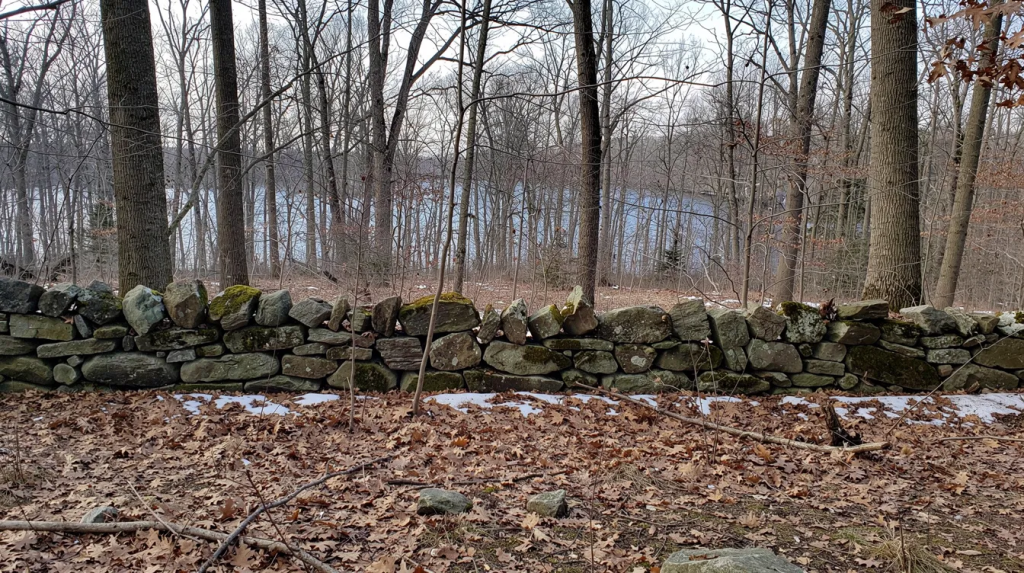
Backyard microclimates protect ticks from the full force of Connecticut’s winter temperatures. Even when air temperatures drop well below 32°F, ground temperatures under a thick layer of leaves can hover much closer to freezing. Snow acts as a second insulating layer-snow cover acts as insulation, protecting ticks from freezing, so cold winters with good snowpack may actually help ticks survive rather than harm them. Connecticut researchers have noted that snowy winters can improve overwinter survival of ticks.
Properties in Greenwich, Darien, and New Canaan commonly feature stone walls, shaded ornamental beds, pachysandra, ivy, and woodland edges-all of which hold leaf litter and moisture that shelter blacklegged ticks through winter.
Very cold temperatures combined with no snow cover may lead to tick mortality. But sustained, snow-free extreme cold across an entire property is uncommon in well-vegetated Fairfield County yards.
Winter Activity: When Do Adult Blacklegged Ticks Become Active?
Ticks do not fully shut down when temperatures drop. Adult deer ticks are the tick species most likely to be encountered on warm winter days from late fall through early spring. Ticks become active when temperatures rise above 35–40°F, and winter thaws can lead to increased activity of adult ticks searching for an animal host. On those warmer days with light wind, adult ticks resume questing on leaf litter and low vegetation, drawn by body heat and movement.
Adult ticks feed on larger hosts mainly in fall and early winter, but ticks can remain active during winter warm spells well into January and beyond. Hiking at Mianus River Park or walking a dog along backyard woodland edges on a mild afternoon can still result in tick bites. Infected adult deer ticks can carry Lyme disease and other tick borne infections, so winter bites are not harmless.
Other tick species behave differently. The American dog tick and lone star tick are generally less active in cold weather here, making the blacklegged tick the primary winter concern. Nymph ticks are responsible for most human Lyme disease infections due to their small size, but nymphal ticks typically become active later in late spring and early summer. As climate change extends the tick season in many regions and milder winters increase tick activity and survival rates, the window of concern keeps widening. As the climate warms, ticks typically begin tick activity earlier each spring.
Practical Winter Tick Precautions for Connecticut Homeowners
Winter tick risk is real but manageable. A few habits make a difference even in cold weather.
On mild winter days, wearing long sleeves and pants helps prevent tick bites outdoors. Tuck pants into socks, use an EPA-registered repellent, and choose lighter-colored clothing to spot ticks more easily. After spending time in wooded or brushy areas-even with snow on the ground-perform tick checks on ankles, behind knees, waistband, and scalp. Check children and pets after walks near woods.
During any snow-free stretch of winter, consider these yard steps for preventing ticks:
Rake and remove excess leaf litter from lawns and play areas
Trim back brush from paths and high-use zones
Clean up brush piles and fallen branches where ticks shelter
Keep dogs on paths and away from dense leaf litter during winter hikes
Reducing overwintering habitat near your home can modestly lower the number of ticks ready to become active in early spring, feeding into lower tick pressure during the busy spring and early summer months. Talk with your veterinarian about year-round tick preventives for dogs, since pets can bring ticks indoors in any season.
How Safe Tick Control Helps During the Main Tick Season
Safe Tick Control is a local, Greenwich-based tick and mosquito control company serving Darien, New Canaan, and North Stamford. While ticks survive winter, professional property treatments focus on the main activity months-spring through fall-when nymphs and adults are most active and families spend the most time outside.
Our full-property approach uses professional skid sprayers to target lawns, landscape beds, property borders, stone walls, and other tick harborages according to product labels-not just a narrow foundation band. We offer both synthetic programs (scheduled about every 4 weeks) and organic cedarwood oil programs (about every 3 weeks). Treatments are planned with children and pets in mind, following label directions and avoiding direct application to flowering plants or open water.
If you’d like a customized tick control plan for your property before peak season returns, request a quote from Safe Tick Control.
FAQs About Ticks and Winter in Connecticut
These FAQs address common questions that go beyond the main article.
Can I stop worrying about ticks once there is snow on the ground?
Deep, continuous snow cover makes surface encounters less likely, but ticks are still alive underneath in leaf litter and soil. Snow cover protects ticks from freezing temperatures rather than killing them. On plowed trails or bare ground during warm spells, active adult ticks can still find hosts, so a quick tick check after those outings is worthwhile.
Do freezing temperatures kill ticks on my dog or clothing?
Leaving gear outside in freezing conditions is not reliable-temperatures near the house or under cover may stay above lethal thresholds. Drying clothes on high heat for a full dryer cycle is more dependable. For pets, veterinarian-recommended tick preventives work regardless of season, which matters since a blood meal is what each tick needs before progressing through its life cycle.
Is Lyme disease still a concern in winter?
Yes. Lyme disease can be acquired whenever blacklegged ticks are active and attached long enough to transmit bacteria-including during winter warm spells. If you develop a rash, fever, or joint pain after outdoor exposure in winter, mention tick borne disease to your healthcare provider. Clinicians sometimes overlook it in colder months.
Should I remove all leaf litter from my property to kill ticks?
Complete removal isn’t necessary or always desirable for soil health. Focus on relocating litter away from high-use areas-play sets, patios, dog runs, and frequently used paths. Some leaf litter can remain in naturalized beds farther from the home while keeping the immediate yard less hospitable to ticks.
When should I start thinking about tick control again after winter?
In lower Fairfield County, adult tick activity can begin in early spring, and nymphal ticks typically follow in late spring. Planning yard clean-up and any professional treatments before or around April is sensible. Homeowners spending time outdoors in March should already be practicing tick checks. Learn more about the best time to spray for ticks in Connecticut.