
Key Takeaways
Organic cedar oil and other natural tick repellents can reduce tick activity on Connecticut properties, but they typically provide 1–2 weeks of residual effectiveness compared to 3–4+ weeks from synthetic products.
In Fairfield County communities like Greenwich, New Canaan, Westport, and Wilton, organic tick control can be effective when paired with consistent re-treatments every 2–3 weeks, good yard maintenance, and realistic expectations.
No treatment—organic or synthetic—eliminates all ticks or guarantees zero Lyme disease risk; personal protection, tick checks, and prompt removal remain essential according to CDC and Connecticut Department of Public Health guidance.
Organic treatments are considered safe for pets and children, providing a non-toxic way to reduce exposure in the yard when applied properly.
Safe Tick Control offers both organic cedar oil and synthetic options, helping homeowners choose based on tick pressure, property conditions, and personal preferences.
What Do We Mean by “Organic” Tick Treatments?
When Fairfield County homeowners ask about organic tick control, they’re usually referring to treatments that rely on plant derived ingredients rather than conventional synthetic compounds. In yard tick control, “organic” typically means products made primarily from essential oil extracts—cedarwood oil, garlic oil, rosemary, peppermint, or oil of lemon eucalyptus—instead of synthetic acaricides like pyrethroids. These are often described as natural products, which are alternatives to synthetic chemicals and are valued for their perceived safety and environmental benefits.
Some organic products used in professional pest control are Environmental Protection Agency (EPA) registered minimum-risk pesticides under the EPA’s 25(b) exemption, while others (like certain fungal bio-pesticides containing Metarhizium anisopliae fungus) are fully registered as microbial pesticides with documented efficacy data. The Environmental Protection Agency reviews and approves the safety and efficacy of certain ingredients used in these products.
Common examples include:
Cedar oil sprays for full-property applications
Garlic oil lawn treatments
Lemon eucalyptus-based repellent products
Entomopathogenic fungi like Metarhizium brunneum for soil treatments
It’s worth noting that “natural” or “plant-based” does not automatically mean “weak” or “unsafe.” Effectiveness and safety depend on the active ingredient, concentration, formulation, and how the product is applied to residential properties.
Do Organic Tick Treatments Actually Work in Connecticut Yards?
The short answer: yes, organic tick treatments can reduce tick activity on Connecticut properties, but with important caveats about duration and consistency.
Research and Field Findings
Research from the CDC, EPA, university extension programs, and Connecticut Agricultural Experiment Station findings shows that certain organic products can repel ticks and kill ticks upon contact, but often with shorter-lasting results than synthetic acaricides. Natural product pesticides based on cedarwood oil are commonly offered by commercial firms providing tick control services in the northeastern United States, but studies have shown minimal efficacy in naturally infested areas, with products showing only 0% to 8% residual tick suppression after two weeks.

How Long Do Organic Treatments Last?
Cedarwood oil can quickly knock down and repel blacklegged tick nymphs—the primary Lyme disease vector in Connecticut—but its repellency typically declines over several days. Residual suppression from organic essential oils drops to near 0% after just two weeks according to CDC field studies.
Practical Effectiveness in Fairfield County
In shaded, humid Fairfield County properties with woods, stone walls, and pachysandra beds, organic tick control can noticeably reduce tick encounters when done thoroughly and on a consistent schedule. However, organic treatments are a tool to reduce risk, not a guarantee. Homeowners should still follow CDC and Connecticut Department of Public Health recommendations including repellents on skin and clothing, tick checks after outdoor activities, and prompt tick removal.
How Common Organic Tick Repellents Work
Natural tick repellents often use essential oils from plants such as lemongrass, cedar, peppermint, thyme, and geraniol to repel ticks. Here’s what research says about the major categories:
Cedarwood Oil / Cedar Oil
Essential oils like cedarwood, rosemary, and peppermint disrupt a tick’s respiratory system upon direct exposure. The strong scent of essential oils blocks the pheromone receptors ticks use to navigate, hunt for hosts, and mate. Organic solutions often rely on organic wood or cedar oils, which create a strong repellent barrier.
However, standardized field tests of popular commercial cedar oil sprays showed a knockdown rate of only 5% to 24% in naturally infested environments. Laboratory studies support that cedar oil can irritate and kill ticks when applied directly, but environmental factors like UV exposure and rainfall degrade it quickly.
Safe Tick Control uses professional-grade organic cedar oil formulations as a core option for full-property treatments, applied with commercial equipment for thorough coverage rather than less effective backpack sprayer applications for tick control.
Garlic Oil
Garlic oil is used in some lawn sprays to repel ticks, but studies suggest that multiple applications may be necessary for effectiveness. A study found that while garlic oil-based repellents can be effective against ticks on lawns, they may need more than one application to remain effective, indicating a limitation in their long-term efficacy.
Oil of Lemon Eucalyptus
There’s an important distinction between oil of lemon eucalyptus (OLE, a refined form containing PMD) and generic lemon eucalyptus essential oil sold for aromatherapy. Oil of lemon eucalyptus is an approved natural repellent by the CDC, but it requires reapplication every two hours for effectiveness on skin. OLE is primarily used as a personal tick repellent rather than for yard treatments.
Metarhizium anisopliae Fungus
This soil-dwelling entomopathogenic fungi infects and kills ticks in the environment as a bio-pesticide. Connecticut Agricultural Experiment Station reports 53-74% reductions in blacklegged ticks around treated areas when Metarhizium is used properly with applications every 4-8 weeks.
Metarhizium brunneum and Metarhizium anisopliae are naturally occurring fungi that can repel or kill ticks and are safe for pets and children. Results depend on proper application and suitable soil moisture conditions.
Emerging Options
Nootkatone, derived from cedar trees and certain fruits, is an EPA-approved natural repellent effective against ticks and mosquitoes. Other arthropod repellents like 2-undecanone are still primarily used in personal repellents rather than yard treatments.
Organic vs. Synthetic Tick Control: What’s the Real Difference?
Both organic and synthetic tick treatments are used throughout Connecticut, and each involves trade-offs in longevity, cost, and homeowner comfort level.
Residual Effectiveness
Treatment Type | Typical Residual Duration | Application Frequency |
|---|---|---|
Synthetic pyrethroids | 3-4 weeks | Monthly |
Organic cedar oil | 1-2 weeks | Every 2-3 weeks |
Botanical blends (rosemary, peppermint) | 1-3 weeks | Every 2-3 weeks |
Organic ingredients are highly unstable in the environment and wear off after 2 to 3 weeks, compared to the coverage provided by conventional alternatives.
Consistency Under Connecticut Weather
Heavy spring rain or humid, shady conditions can wash away natural oils within 48 hours, requiring immediate reapplication. Rain or heavy dew can shorten the effectiveness of organic sprays, requiring consistent reapplication for maximum protection.
Spectrum and Strength
Application of EPA-registered synthetic pesticide products labeled for ticks has consistently resulted in high tick killing efficacy, often exceeding 80%, while minimum risk 25(b) exempt products show considerable variability in effectiveness. Organic ingredients offer lower long-term knockdown rates (10%-50% reduction) compared to the 80%-90%+ reduction from synthetics.
The CDC notes that unregulated minimum-risk organic sprays exhibit huge variability in the field, with efficacy of unregulated organic treatments offering highly variable results, often 53% to 87% suppression depending on conditions.
Regulatory and Safety Profile
Both organic and synthetic products used by professionals should be Environmental Protection Agency (EPA) registered for tick control and applied according to label instructions. Many organic products are classified as low-toxicity when used properly, but even natural ingredients can cause irritation in concentrated form.
Safe Tick Control designs both organic and synthetic programs based on property conditions, tick activity, and each family’s comfort level rather than promoting a one-size-fits-all approach, reflecting their role as a local tick control company in Greenwich, CT.
Connecticut Property Conditions That Affect Organic Treatment Performance
Fairfield County yards present specific challenges that influence how well organic treatments perform.

Wooded Lots and Brush Lines
Deer ticks (Ixodes scapularis, also called blacklegged ticks) thrive along woodland edges, deer paths, and brushy borders common in Greenwich, Ridgefield, Wilton, and Weston. Ticks prefer moist, shady areas, so creating a “tick-safe zone” by removing leaf litter and reducing vegetation can help reduce their populations in your yard. In heavily wooded areas, thorough coverage with organic sprays is essential, and ticks can quickly re-enter from neighboring untreated woods.
Shaded, Humid Landscapes
Shaded lawns, ornamental beds, and irrigation keep turf and leaf litter moist—extending tick survival while accelerating breakdown of plant-based oils. These conditions make consistent 2-3 week organic re-treatments especially important.
Leaf Litter, Stone Walls, and Groundcovers
Ixodes scapularis ticks commonly shelter in leaf litter, around stone walls, and in dense groundcovers such as pachysandra and ivy. Effective organic programs must specifically target these harborage zones rather than just spraying open lawn areas. Garden beds with dense plantings require thorough coverage.
Animal Activity
High deer traffic and abundant small animals (mice, chipmunks) continually reintroduce ticks onto properties, especially in semi-rural areas of New Canaan, Weston, and western Connecticut towns near Redding, where dedicated tick control services in New Canaan, CT can help manage persistent pressure. Where host pressure is heavy, organic-only programs may require tighter treatment intervals.
Weather Factors
Frequent rainfall typical of late spring and early summer in Connecticut shortens the effective life of natural tick repellents on vegetation. Minimum risk 25(b) exempt pesticide products, which include natural ingredients like cedarwood and rosemary oils, appear to be less stable in the environment and often require more frequent applications to achieve the same level of tick suppression as synthetic pesticides.
What Results Should Fairfield County Homeowners Realistically Expect?
Connecticut Agricultural Experiment Station and Yale-affiliated research show yard treatments (even synthetic) reduce tick numbers but do not guarantee fewer human Lyme disease cases, because personal behavior and tick checks still matter.
What Well-Designed Organic Programs Can Do
Lower the number of questing ticks in treated areas
Reduce how often ticks are encountered in high-use zones like play areas and patios
Make outdoor spaces more comfortable during peak tick season
Provide tick bite prevention as part of a layered approach
What Organic Treatments Cannot Do
Sterilize the property or eliminate all tick species
Fully compensate for high host pressure (deer, mice) or unmanaged brush
Replace the need for EPA-registered personal bug repellents and daily tick checks
Prevent tick borne diseases on their own
When to Expect the Biggest Benefit
Blacklegged tick activity in Fairfield County is typically highest in late April through June (nymphs) and again in October–November (adults). Homeowners may notice the biggest benefit from consistent organic treatments during these periods. The lone star tick (Amblyomma americanum, or ticks Amblyomma americanum) and American dog tick (Dermacentor variabilis) are also present in Connecticut but less common than the deer tick.
While organic treatments offer a sustainable way to deter ticks, they require more diligent, frequent applications to be effective in high tick activity areas, especially for families relying on tick control for dogs in Connecticut yards.
How Often Do Organic Cedar Oil Treatments Need to Be Applied?
In our experience treating Fairfield County properties, organic cedar oil programs are generally scheduled every 2-3 weeks during active tick season to maintain relatively steady protection.
Organic tick treatments in areas with high tick activity typically require more frequent applications—approximately every 20-30 days—to maintain effectiveness compared to synthetic methods.
Factors influencing whether you need closer to 2-week or 3-week intervals:
Heavily wooded lots vs. open, sunny lawns
Abundant stone walls, pachysandra beds, and leaf litter
High deer traffic and visible rodent activity
Recent rainfall amounts and humidity
Presence of tall grass or overgrown vegetation
Synthetic tick control programs often operate on a monthly schedule because of their longer residual action. Homeowners considering organic should be prepared for more frequent applications and potentially higher seasonal costs, which is why many turn to professional tick control services in Fairfield, CT for guidance on program structure.
We recommend new organic clients re-evaluate after the first full season—tracking tick encounters on people and pets—to determine whether to maintain the same interval, tighten it, or consider blending organic and synthetic strategies.
Natural Tick Repellents for People vs. Yard Treatments
It’s important to distinguish between natural tick repellents used on skin and clothing versus those applied to residential landscapes.
CDC and EPA guidance recommends that for personal protection against Lyme disease and serious diseases like alpha gal syndrome (linked to lone star tick bites), products containing 20-30% DEET, 20% picaridin, IR3535, oil of lemon eucalyptus (OLE), or 2-undecanone are most effective when used according to label directions.
Many essential oil-based sprays sold as “all-natural” personal repellent products may have shorter protection times and less robust data for deer ticks compared with EPA registered active ingredients. Some products available at garden stores may not effectively repel ticks for extended periods.
Yard treatments (organic or synthetic) reduce tick density in the environment, while personal repellents and protective clothing provide a last line of defense when people move through untreated or high-risk areas. Using acaricides, which are pesticides specifically designed to kill ticks, can help reduce tick populations in your yard when applied correctly.
Treat organic yard care and personal tick protection as complementary strategies rather than choosing one over the other.
Integrated Tick Control: Combining Organic Sprays with Other Strategies
Integrated Pest Management (IPM) strategies combine organic treatments with other methods to improve effectiveness. This approach is recommended by Connecticut Agricultural Experiment Station and public health agencies and underpins many organic tick spray programs in Fairfield County.
Habitat Modification
Raking and removing leaf litter in play areas and shady areas
Pruning low branches to allow more sunlight to reach the ground
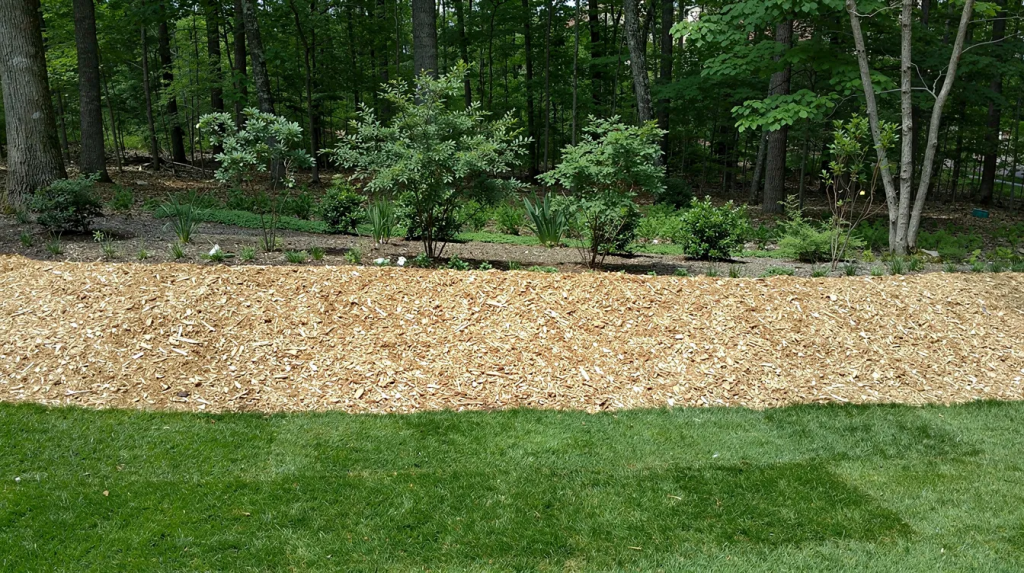
Creating barriers, such as a three-foot-wide strip of wood chips or gravel, can help keep ticks away from areas where people frequently spend time
Clearing brush piles and reducing vegetation where ticks harbor
Deer and Rodent Management
Fencing or plant choices to discourage deer where practical
Cleaning up brush piles, stone piles, and clutter that attract mice and chipmunks
Tick tubes, which are filled with permethrin-soaked cotton cloth, can be placed around the perimeter of your yard to kill ticks on small animal hosts like mice
Studies show that highly controlled application of acaricides can reduce the number of ticks in your yard for six to eight weeks, especially when combined with landscaping measures.
Complementary Tools
Products based on rosemary and peppermint oils have shown variable efficacy in suppressing blacklegged ticks, with some studies indicating that they may require multiple applications to maintain effectiveness over time. Combining these with entomopathogenic fungi Beauveria bassiana or Metarhizium can provide additional suppression through different mechanisms.
Safe Tick Control can design integrated programs emphasizing organic sprays while still considering targeted tools where tick pressure or disease control needs are high.
When Might a Synthetic Tick Program Be a Better Fit?
Sometimes synthetic tick control makes more practical sense for Connecticut homeowners. Here are scenarios where it may be the better fit:
Properties with a history of frequent tick bites or confirmed Lyme disease cases among family members
Large wooded estates in towns like Greenwich, New Canaan, and Ridgefield with intense deer activity and extensive stone walls
Homeowners who prefer fewer service visits (monthly vs. bi-weekly) and longer-lasting residual control
Properties where organic treatments have shown mixed results after a full season
Most firms offering tick control services in the northeastern United States report using synthetic pesticide products, with 80% applying these to kill host-seeking ticks, while only 34% use natural or organic pesticide products. Synthetic repellents and conventional acaricides have more extensive field testing data.
Even on synthetic programs, Safe Tick Control emphasizes targeted applications to tick habitats, careful timing, and child- and pet-conscious practices, which is central to their Greenwich, CT tick control services. The decision between organic and synthetic—or a hybrid approach—should be based on risk tolerance, property conditions, and expectations rather than marketing labels alone.
How Safe Are Organic Tick Treatments for Children, Pets, and the Environment?
Organic treatments are considered safe for pets and children, providing a non-toxic way to reduce exposure in the yard when applied correctly.
Many organic tick control products, including plant-based oils and microbial agents like Metarhizium anisopliae, are designed to have relatively low toxicity to people, pets, mosquitoes, and other insects when applied properly. However, “low toxicity” does not mean “no risk”:
Concentrated essential oils can irritate skin, eyes, or airways
Pets and children should stay off treated areas until sprays have dried
Some products may reduce non target arthropods and other arthropods that contact fresh applications
All products used by Safe Tick Control—whether organic cedar oil or synthetic acaricides—are selected from EPA registered options appropriate for tick control, aligning with their broader Greenwich CT organic and conventional tick control services. Technicians consider wind, drift, and sensitive areas (gardens, ponds, play structures) to minimize off-target exposure.
Homeowners concerned about pollinators and beneficial insects should note that organic treatments can affect non target insects during application, though impacts are generally less persistent than synthetic compounds. The comparative efficacy of products should be weighed against environmental persistence concerns.
How Safe Tick Control Approaches Organic Tick Treatments in Fairfield County
Safe Tick Control uses commercial-grade high-pressure skid sprayers to perform full-property tick and mosquito treatments, allowing thorough coverage of lawns, wooded edges, stone walls, and garden beds rather than simple perimeter-only passes.
Our Organic Cedar Oil Service
Child- and pet-conscious applications
Targeting of tick harborage areas: leaf litter, stone walls, pachysandra beds, shaded borders, and ornamental plantings common in Fairfield, Westport, Norwalk, and throughout Fairfield County
Coverage designed to bite humans less by reducing tick populations where families spend time
Typical Organic Program Structure
Initial evaluation of property conditions, tick pressure, and family priorities
Recurring schedule of organic treatments every 2-3 weeks across the main tick season (spring through fall)
Optional integration with tick tubes or select synthetic treatments where homeowners request higher tick pressure reduction
Organic tick treatments provide immediate, short-term suppression but require significantly more frequent applications than synthetic chemical alternatives. Our goal is to give Connecticut homeowners clear choices—organic, synthetic, or blended—supported by realistic expectations and local field experience rather than promising a “tick-free” yard.
Properties in Rhode Island and neighboring areas face similar tick pressures, and the same principles of consistent application and realistic expectations apply, just as they do for homeowners using tick control services in Stamford, CT or relying on professional tick treatment programs in Westport, CT.
Frequently Asked Questions
Can I rely on organic yard treatments alone to prevent Lyme disease?
Neither organic nor synthetic yard treatments alone can guarantee Lyme disease prevention. CDC and Connecticut Department of Public Health stress the importance of multiple layers of protection. Organic tick control can significantly reduce tick numbers in treated areas, but homeowners still need to use personal repellents, do daily tick checks, shower after outdoor activities, and consult a doctor promptly if they notice a rash or flu-like symptoms after a tick bite. Safe Tick Control positions organic treatments as one component of overall Lyme disease prevention—not a substitute for medical advice or personal protective measures.
Are organic tick treatments enough if I have kids and dogs using the yard every day?
Many Fairfield County families choose organic programs specifically because children and pets are in the yard daily. Organic cedar oil treatments can make high-use areas like play sets, patios, and fenced yards less tick-friendly, but they need to be applied consistently every 2-3 weeks and combined with yard cleanup and regular pet tick preventives recommended by a veterinarian. Families may still occasionally find ticks, especially if pets or kids play near woods or brushy edges, so daily checks remain important. Jordan RA and other Connecticut researchers have noted that even treated properties require vigilance during peak seven days of nymph activity.
Will organic sprays harm beneficial insects or my garden plants?
Plant-based oils like cedarwood and garlic oil are not completely selective—they can affect some insects and plants that come into contact with fresh sprays. Safe Tick Control focuses applications on tick habitats (leaf litter, borders, stone walls) rather than directly spraying pollinator-heavy flowers or vegetable crops whenever possible. Homeowners especially protective of pollinators and edible gardens should discuss these concerns in advance so technicians can adjust spray patterns and buffer zones around sensitive areas.
Can I just use DIY essential oil mixtures instead of hiring a professional?
While homeowners can buy essential oil-based products, mixing or applying concentrated oils without guidance can lead to uneven coverage, limited effectiveness, or irritation risks. Professional services use calibrated equipment, known concentrations, and targeted application techniques developed specifically for tick control in local conditions. If homeowners choose DIY approaches, they should stick to EPA registered repellent products and carefully follow label instructions rather than relying on untested home recipes from other repellents guides. Laboratory studies consistently show professional applications outperform DIY methods.
Is it possible to switch between organic and synthetic programs during the season?
Yes, it’s generally possible to adjust from organic to synthetic (or vice versa) as long as label instructions and appropriate intervals between different products are respected. Safe Tick Control can reassess a property mid-season—based on tick activity, family comfort, and any health events—and recommend whether to continue with organic, integrate a few synthetic treatments, or transition to a different plan the following year. Open communication about observations (number of ticks found, pet issues) helps fine-tune the program to your needs.