DIY Tick Control: What Works, What Doesn’t, and When to Call a Pro in Connecticut
Introduction to Tick Control
Tick control is more than just a seasonal chore—it’s a vital part of protecting your family, pets, and outdoor lifestyle from the risks posed by ticks and the harmful diseases they can transmit. In Connecticut, where Lyme disease rates are among the highest in the nation, understanding how to control ticks is essential for every homeowner.
Ticks are small, stealthy parasites that thrive in wooded areas, tall grass, and places where leaf litter accumulates. Deer ticks (also known as blacklegged ticks) are commonly found throughout our region and are notorious for spreading Lyme disease, Rocky Mountain spotted fever, Powassan virus, and other serious illnesses. These pests are most active during tick season, which stretches from early spring through late fall, but can be encountered whenever the weather is mild.
Because ticks can be carried into your yard by deer, rodents, and even birds, it’s important to recognize the factors that contribute to tick populations. Shady spots, dense vegetation, and piles of leaf litter create ideal habitats for ticks to hide and wait for a host. That’s why creating a tick safe zone—by removing leaf litter, keeping grass trimmed, and using natural tick repellents—can make a significant difference in reducing tick bites and keeping your outdoor spaces safer.
While professional tick control services offer powerful solutions for high-risk properties, every homeowner can take steps to prevent ticks from taking hold. By understanding tick species, their preferred environments, and the diseases they carry, you’ll be better equipped to protect your yard and your loved ones all season long.
Quick Answer: Is DIY Tick Control Enough for Connecticut Yards?
DIY tick control can work reasonably well on low-pressure properties—think small, open lawns with minimal tree cover and few wooded edges. If that describes your yard, a careful approach using hardware store products, combined with regular yard maintenance and personal protection, may give you decent results.
However, for wooded-edge properties and high-tick-pressure yards common throughout Connecticut and Fairfield County towns like Greenwich, Stamford, Westport, and New Canaan, professional tick control typically delivers more reliable, longer-lasting protection. Blacklegged ticks (commonly called deer ticks) thrive in our region and remain active from roughly April through November, with nymphs peaking from mid May through mid June into early summer—the most dangerous period because these poppy-seed-sized ticks are easy to miss. Ticks can bite humans at any time when the weather permits, so protecting humans from tick bites and tick-borne diseases is a key goal of any tick control strategy.
Hardware store sprays and home remedies can reduce tick numbers short-term in simple yards, but they come with common limits: spotty coverage from manual application, shorter residual activity (often just 2-4 weeks under ideal conditions), and a higher chance of missed hot spots in dense brush or leaf litter.
Several tick species are found in Connecticut, each carrying different risks for disease transmission. Identifying tick species can help determine which diseases may be transmitted to people and pets. A professional yard treatment plan adds several factors that improve outcomes: detailed property inspection to map high-risk zones, calibrated equipment designed to penetrate woodlines and stone walls, a consistent treatment schedule through peak season, and habitat recommendations that address the root causes of tick pressure. This article walks through your DIY options, where they shine, where they fall short, and how to decide if professional help makes sense for your specific property.
Understanding Tick Risk in Connecticut Yards
Connecticut has one of the highest incidences of Lyme disease in the United States, with rates exceeding 100 cases per 100,000 residents according to CDC surveillance data. Beyond Lyme disease, residents face risk from other harmful diseases including anaplasmosis, babesiosis, and the less common but serious Powassan virus.
Typical high-risk yard configurations in our region include:
Properties backing up to wooded areas or conservation land
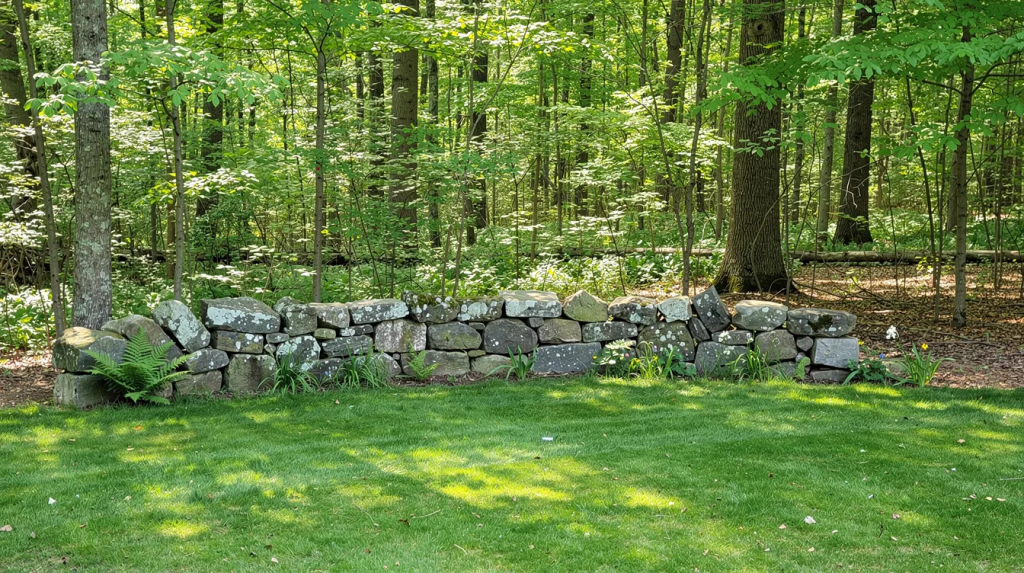
Stone walls bordering lawns (these harbor leaf litter and rodent burrows)
Shaded ornamental beds with dense groundcover
Evidence of deer traffic or rodent activity
People and pets most commonly pick up ticks in your yard at transition zones: the lawn-woodline edge, low vegetation along paths, edges of play equipment areas, around stone walls, and in shady spots under shrubs. According to research from the Connecticut Agricultural Experiment Station, 80-90% of human and pet tick encounters occur at these ecotones.
Even with excellent yard management, the CDC recommends continued personal prevention: daily tick checks, DEET-based repellent (20-30% concentration), wearing long sleeves and long pants in light colored clothing, and prompt removal of any attached tick using fine-tipped tweezers.
DIY Tick Control Basics: What You Can Realistically Do Yourself
DIY tick control is a practical option for homeowners with smaller, more open properties who have time to stay on top of maintenance and reapplications. The main categories include:
Over-the-counter yard sprays
Host-focused products (like tick tubes or tick boxes)
Natural tick repellents and repellent plantings
Basic property cleanup and lawn care
DIY works best when layered with yard hygiene (mowing lawn frequently, removing leaf litter), personal protection (tick repellent, appropriate clothing), and regular tick checks. Any pesticide product—organic or conventional—must be used strictly according to the product label, including reentry times for kids and pets.
Natural Methods for Tick Control
If you’re looking for ways to control ticks without relying solely on chemical treatments, natural methods can play a valuable role in your tick management strategy. These approaches focus on making your yard less inviting to ticks and their animal hosts, while also using natural tick repellents to help prevent tick bites.
One of the most effective natural methods is habitat modification. By regularly mowing tall grass, removing leaf litter, and trimming back dense vegetation, you reduce the shady, humid environments where ticks thrive. Creating a three-foot barrier of wood chips or gravel between your lawn and wooded areas can also help keep ticks from migrating into your main outdoor spaces, forming a natural barrier that discourages tick movement.
Plant-based tick repellents, such as those containing essential oils like cedar, lemon eucalyptus, or geraniol, offer a non-toxic way to repel ticks from high-use areas. While these natural tick repellents may not kill ticks outright, they can help reduce the risk of tick bites when used as part of a layered approach. Consider planting tick-repellent plants—like lavender, rosemary, or chrysanthemums—around patios and play areas for added protection.
Encouraging natural predators, such as certain birds and beneficial insects, can also help keep tick populations in check. Just be mindful of bird feeders, as they can attract rodents that serve as hosts for ticks. Keeping your yard tidy, stacking wood neatly, and securing trash cans will further discourage wildlife that can bring ticks onto your property.
While natural methods alone may not eliminate ticks entirely, they are an important part of an integrated tick control plan. When combined with regular tick checks, personal tick repellent, and, if needed, professional tick control services, these eco-friendly strategies can help you safely enjoy your Connecticut yard all season long.
What Hardware Store Tick Sprays Can and Can’t Do
Typical consumer-grade tick sprays are designed for relatively small areas: lawn edges, shrubs, foundation plantings, and ornamental beds. They can effectively kill ticks present on treated foliage and ground cover, providing short-term relief—often a few weeks under dry conditions.
Realistic benefits:
Knock down ticks on contact where applied
Useful for spot treatments around patios, swing sets, and play areas
Accessible and affordable ($20-50 per gallon treating approximately 5,000 square feet)
Common limitations:
Coverage depends entirely on your application technique
Missed hot spots in dense brush or deep leaf litter remain tick refugia
Rain events (common in Connecticut’s 45-inch annual precipitation) can halve residual activity within days
Uneven application rates are typical with manual pump sprayers
Most require 4-8 reapplications from April through November
Hardware store products generally have shorter residual activity compared to those used in a professional yard treatment plan. For small, relatively open sunny lawns, careful use following all label directions can form part of a reasonable DIY program—but repellents and tick checks remain essential.
The Equipment Reality Check: Why Application Method Matters
Effective tick reduction depends less on product strength and more on treating the right areas thoroughly and consistently. Understanding where ticks actually live in a Connecticut yard is critical:
Low brush (6-36 inches high)
Leaf litter at wooded edges
Around stone walls (which retain moisture ticks need)
Under decks and lawn furniture
Shaded plant beds and shady areas
Along fence lines and deer trails
Backpack misters and light misting equipment—common in DIY and some mosquito-focused work—typically apply lower liquid volume (0.5-1 gallon per acre) and produce larger droplet sizes. This works reasonably well for mosquito nuisance reduction around the patio but can struggle to drive material into dense brush and deep leaf litter where ticks quest for hosts.
On larger, brushy properties, a quick walk-through with a backpack mister often leaves untreated “pockets” in high-risk zones. Spray pattern studies from IPM programs show 30-50% overall reductions with backpack use on simple lawns, dropping to 20-40% on brushy lots.
Backpack misters can still help for:
Small, simple yards under 0.25 acres
Tight side yards where larger equipment can’t access
Mosquito-focused treatment around patios
A calibrated, higher-volume professional approach (like Safe Tick Control’s) delivers finer droplet sizes at higher pressures, achieving 85-95% coverage in understory vegetation and transition zones where ticks are actually encountered.
Tick-Proof Yard Basics: Simple Habitat Fixes That Always Help
These steps reduce tick habitat and discourage animal hosts regardless of your treatment approach. The Connecticut Agricultural Experiment Station and university extension programs consistently recommend habitat modification as the foundation of integrated tick management.
Vegetation management:
Mow lawn frequently, keeping grass under 3-5 inches (especially near woods and stone walls)
Remove leaf litter from play areas, paths, and high-use zones
Thin dense groundcover in heavily used outdoor spaces
Prune lower tree limbs 18-36 inches up to increase sunlight
Transition zone control:
Create a natural barrier between lawn and woods using 3-foot strips of gravel or wood chips
Move play equipment and lawn furniture away from the woodline
Keep paths well-defined and free of tall grass
Host deterrence:
Secure trash cans and bird feeders to avoid drawing rodents
Stack wood neatly away from the house, elevated off the ground in a sunny spot
Consider simple fencing to discourage deer from high-use areas

DIY Tick Control Methods: Pros, Cons, and Best Practices
Method | Pros | Cons | Best Practice |
|---|---|---|---|
Yard sprays | Accessible, 70-90% kill on contact, scalable | Rain-sensitive, pollinator risks, requires 4-6+ applications | Apply pre-season, treat edges slowly and evenly |
Tick tubes | 70-90% host tick reduction over 2-3 years, low maintenance | Variable uptake, not immediate knockdown | Deploy near walls/shrubs in April-May and July-August |
Essential oils (cedar, lemon eucalyptus) | Non-toxic appeal, 50-70% repellency | Short duration (1-2 weeks), limited kill vs repel ticks | Dilute properly, reapply frequently |
Repellent plantings | Aesthetic, some deterrent effect | Not standalone control | Supplement other methods |
Safety reminders: Always follow label directions. Wear recommended protective gear. Store pesticides locked away from children, pets, and heat. Keep kids and pets off treated areas until fully dry. Avoid overspray on edible gardens and blooms to protect pollinators. | |||
Even a thoughtful DIY program should combine with personal tick repellent use and regular tick checks following CDC guidance. |
Tick Control for Your House: Indoors and Entry Points
While most tick problems start outdoors, it’s important not to overlook your home’s interior when aiming to control ticks. Ticks can hitch a ride inside on pets, clothing, or even by crawling through tiny cracks and gaps around your house. Once indoors, they may hide in carpets, pet bedding, or upholstery, increasing the risk of bites for your family and pets.
To kill ticks and prevent them from establishing indoors, make regular cleaning a habit. Vacuum carpets and rugs thoroughly, especially in areas where pets like to nap or play. Wash pet bedding, throw blankets, and linens in hot water to ensure any hidden ticks or eggs are eliminated. Pay special attention to corners, baseboards, and under furniture—these are favorite hiding spots for ticks.
Sealing up entry points is another key step. Inspect your home’s foundation, window frames, and door thresholds for cracks or gaps, and use caulk or weatherstripping to close them off. This not only helps control ticks but also keeps out other pests.
For an added layer of protection, consider creating a natural barrier around your home’s perimeter. Sprinkling diatomaceous earth—a natural, pet-safe powder—along baseboards or entryways can help deter ticks from crossing into your living spaces. Always follow label instructions and keep pets from ingesting any powders.
By combining these indoor tick control strategies with outdoor prevention, you’ll create a safer, more comfortable environment for your family and pets all season long.
Treatments for Tick Animal Hosts: Pets and Wildlife
Controlling ticks isn’t just about treating your yard—it’s also about managing the animals that bring ticks onto your property and into your home. Pets, especially dogs and outdoor cats, are common tick hosts and can unknowingly transport ticks indoors, increasing the risk of Lyme disease and other tick-borne illnesses like Rocky Mountain spotted fever.
To protect your pets and help control ticks, use veterinarian-recommended tick control products such as topical treatments, oral medications, or tick collars, and consider professional tick control for dogs if your yard has a history of high tick activity. These products are designed to kill ticks before they can transmit disease. Make it a routine to check your pets for ticks after they’ve been outside, especially during peak tick season. If you find a tick, remove it promptly with fine-tipped tweezers and clean the bite area.
Wildlife, particularly deer and mice, play a major role in maintaining tick populations in Connecticut, and homeowners in towns like Fairfield often see more tick activity where these animals are common. Deer can carry adult ticks into your yard, while mice are the primary hosts for immature ticks. To reduce this risk, create a tick safe zone by installing fencing to keep deer out of high-use areas and using deer repellents around your yard’s perimeter. Relocating bird feeders and securing trash cans can also discourage rodents from settling near your home.
Tick tubes are another effective tool for controlling ticks at the source. These biodegradable tubes are filled with permethrin-treated cotton, which mice collect for nesting. When ticks feed on these treated mice, they are killed, helping to break the tick life cycle and reduce overall tick populations in your yard.
By targeting both pets and wildlife, you can significantly lower the risk of tick bites and the spread of harmful diseases like Lyme disease and Rocky Mountain spotted fever. Consistent tick control for animal hosts, combined with yard and home treatments, offers the best defense for your family and pets.
What a Professional Tick Control Service Adds
A pest control company like Safe Tick Control approaches your property differently than DIY:
Inspection and mapping: We identify high-risk zones specific to your yard perimeter—woodlines, stone walls, under decks, shaded beds, deer trails, and areas where kids and pets spend time.
Calibrated equipment: Professional sprayers deliver consistent coverage to the exact zones where tick populations concentrate, including dense brush and leaf litter that manual equipment struggles to penetrate.
Scheduled treatments: A professional program tracks the local tick season (April through late fall in Connecticut) with treatments spaced to maintain protection throughout peak season—not just reacting when you notice a tick infestation.
Treatment options: We offer both organic and conventional approaches, recommending what fits your family’s needs while always using products according to their labels.
Habitat advice: Beyond one treatment, we provide practical recommendations on trimming, leaf management, and layout changes to reduce tick pressure long-term.
DIY Safety Best Practices (Kids, Pets, and Gardens)
Both conventional and organic products require careful use. “Natural” does not automatically mean safer—improper use of any product creates risk.
Read the entire product label before use
Wear recommended eye, skin, or respiratory protection
Never apply treatments more frequently or at higher rates than allowed
Keep children and pets indoors until treated areas are fully dry
Avoid spraying edible gardens and flowering plants visited by pollinators
Store containers in original packaging, locked away from kids, pets, and heat
Never transfer pesticides to food or drink containers
Wash treated clothing in hot water separately
Anyone with health concerns should consult health care providers or local cooperative extension for guidance on specific active ingredients.
Tick-Proof Yard Checklist for Connecticut Homeowners
Walk your property with this checklist at least twice yearly (early spring and late summer):
Vegetation:
[ ] Mow lawn regularly, especially edges near woods
[ ] Remove leaf litter from high-use areas
[ ] Thin plantings near patios, swing sets, and play areas
[ ] Trim low branches to increase sunlight in shady spots
Transition zones:
[ ] Create wood chips or gravel border between lawn and wooded areas
[ ] Move play equipment and seating away from woodlines
[ ] Keep paths defined and free of tall grass
Host control:
[ ] Relocate bird feeders away from patios
[ ] Secure garbage and pet food
[ ] Stack wood neatly, elevated, in sunny locations
[ ] Check for rodent burrows or deer bedding areas
For more detailed prevention steps, see [Internal link: Tick Prevention Guide].

FAQ: DIY vs. Professional Tick Control
Does hardware store tick spray actually work? Yes, it can reduce ticks where applied—studies show 50-70% reduction on treated foliage. However, coverage gaps, rain washoff, and missed hot spots limit real-world effectiveness on many Connecticut properties.
Is DIY tick control worth it? For small, open yards and homeowners willing to apply treatments multiple times through tick season while maintaining proper technique, DIY can provide meaningful protection. Wooded-edge properties or families with young children and pets typically see better results from professional tick control.
How often do I need to treat my yard for ticks? Most DIY products require reapplication every 2-4 weeks. Rain and irrigation shorten this. Expect 4-8 applications from April through November for consistent protection.
What’s the fastest way to reduce ticks right now? Treat high-risk zones (woodlines, stone walls, shaded brush) immediately, apply personal tick repellent before going outdoors, and conduct daily tick checks on everyone including pets.
Is tick control safe for my kids and pets? When applied according to label directions and allowing proper drying time before reentry, both organic and conventional lawn treatment options can be used safely. Always follow label reentry intervals.
Why are ticks worse near stone walls and leaf litter? These areas stay moist and shaded—ideal conditions for tick survival. They also attract mice and chipmunks (primary hosts for immature ticks), creating concentrated tick safe zone populations.
Can a backpack mister handle ticks on its own? For small, simple yards it may help. For larger properties with brush, wooded edges, or dense vegetation commonly found in Connecticut, backpack misters typically lack the volume and penetration for meaningful tick control.
What should I do after finding a tick? Remove it promptly using fine-tipped tweezers, grasping as close to the skin as possible. Clean the bite area. Monitor for symptoms (rash, fever, fatigue) and contact health care providers with any concerns. The CDC notes transmission risk drops significantly if ticks are removed within 24 hours.
If I treat my yard, do I still need repellent and tick checks? Yes. No single strategy eliminates risk entirely. The CDC and disease control experts recommend layering yard management, personal repellent, and daily checks for best protection against tick bites and harmful diseases like Lyme disease and Rocky Mountain spotted fever.
When to Call Safe Tick Control (and What to Expect)
If you’re unsure whether DIY is enough for your property, we’re happy to take a look. Safe Tick Control offers inspections and tailored treatment plans throughout Connecticut, including Fairfield County towns like Greenwich tick control services, Darien tick control, Norwalk tick control, Weston tick control, Stamford, Westport, and New Canaan.
During a visit, we assess tick habitat on your entire yard, identify high-risk zones, discuss organic and conventional options, and propose a season-long plan if appropriate. As a family-owned, locally operated pest control company, we focus on practical solutions that let you and your family safely enjoy your outdoor spaces.
Learn more about our approach at [Internal link: Tick Control Services] or see if we serve your area at [Internal link: Service Area Pages]. Ready to get started? Request a no-obligation quote through [Internal link: Contact / Get a Quote].
Whether you choose DIY, professional help, or a combination, consistency through the season is your best defense. Stay diligent, follow CDC and local extension guidance, and prevent ticks from taking over your Connecticut yard.