Cost of Tick Control in Connecticut: What Homeowners Need to Know
If you’ve been comparing tick control quotes in Connecticut, you’ve probably noticed a wide range—from $99 quick-spray deals to professional seasonal plans costing several times more. The price gap raises an obvious question: what’s actually different when it comes to the cost of tick control in Connecticut?
This article will cover everything homeowners need to know about tick control pricing in CT, including:
What affects the cost of tick control in Connecticut—from property size to infestation severity and treatment type.
How different service levels compare—from budget sprays to comprehensive professional plans.
What homeowners should expect to pay—with real cost ranges, pricing models, and contract types.
Why investing in professional tick control matters for families and pets—including the health and safety benefits of reliable, science-based tick management.
In recent years, environmental factors such as mild winters have adversely affected tick populations and public health, leading to a higher risk of tick-borne diseases. Connecticut has experienced a tick explosion, with rapidly increasing tick numbers driving up both the demand and cost for effective tick control services.
Glossary: Common Tick Control Pricing Terms
One-time treatment: A single visit, typically costing $150–$350.
Seasonal plan: Recurring treatments during peak tick season, often starting at $99/month.
Per acre pricing: $200–$300 per acre.
Typical Cost Ranges for Tick Control in Connecticut
Professional tick control services in Connecticut typically cost between $200 and $500 for a standard treatment, with seasonal bundles starting around $99 per month. Larger properties may pay $200–$300 per acre. Factors affecting cost include property size, infestation severity, landscape characteristics, product type, and treatment location. Organic treatments may cost more and require more frequent applications.
Bottom Line for CT Homeowners: Why Cheap Tick Sprays Don’t Hold Up
Many Fairfield County homeowners discover the hard way that cheap sprays often fail after rain. The issue isn’t that low-cost providers use “bad” products—it’s that residual performance depends on four factors that fast, budget services tend to skip:
Thorough coverage of actual tick habitats (not just lawn edges)
Precise placement in high-risk zones like woodlines and leaf litter
Calibrated application volume so droplets adhere properly
Rainfastness to withstand Connecticut’s frequent spring and summer downpours
Light applications can lose 50–70% of their effectiveness within 7–10 days under normal precipitation, while properly calibrated treatments maintain meaningful reduction for 21–28 days.
Choosing inadequate or cheap treatments can allow ticks to rebound, leading to severe infestations that require more frequent and costly interventions to control.
Safe Tick Control, a family-owned provider based in Greenwich, focuses on residual control that protects between visits—not just instant knockdown on day one. This article covers why that distinction matters: residual effect science, rain impacts, coverage necessities, equipment differences, the hidden cost of re-treating, what a professional plan includes, pricing mechanics, and how to request an inspection.

Residual Effect vs. Instant Kill: What Really Protects Your Family
Residual effect refers to the insecticide deposit left on foliage, stems, leaf litter, and soil surfaces that continues affecting ticks for weeks after application. This is different from instant knockdown, which eliminates ticks present at the moment of spraying but offers little protection as new ticks move in from untreated woods and wildlife corridors. An effective residual effect is crucial to protect your family from tick-borne diseases by providing ongoing defense against new tick invasions.
Key Factors Affecting Residual Effect
Black legged tick populations in Connecticut spend 90–95% of their lifecycle in leaf litter and low shrub layers and sometimes introduced to open lawns through wildlife activity. Protection must last through the full 3–4 weeks between service visits, not just the first sunny afternoon.
Good residual performance requires:
Sufficient product reaching target surfaces
Large, consistent droplets that stay put
Application volume and pace allowing thorough coverage
Professional tick control is an important part of disease control, as it reduces the risk of tick-borne illnesses by maintaining effective protection throughout your property.
Ultra-cheap tick spraying often reduces on-site time and material volume to hit low price points, directly compromising residual effect in dense CT vegetation. CDC guidance confirms that yard management combined with properly applied treatments helps reduce tick encounters—but only when those treatments perform over time.
Rain, Irrigation, and “Rainfastness”: Why Some Sprays Vanish After a Storm
Here’s a scenario familiar to many CT homeowners: property treated Monday, 1–2 inches of rain by Thursday, ticks back along the woodline by the weekend. Connecticut averages over 45 inches of annual rainfall, with Fairfield County seeing 3–4 inches monthly during tick season.
How Rain Impacts Tick Treatments
Rainfastness describes how well a dried treatment holds up on leaves, stems, and ground litter after rain or irrigation. The key factors:
Factor | Weak Coverage | Calibrated Coverage |
|---|---|---|
Deposit thickness | Thin, easily washed | Adheres to surfaces |
Surface targeting | Smooth grass blades | Leaf litter, brush edges |
Humid zone durability | Degrades 2–3x faster | Maintains 70–90% activity |
Rushed perimeter-only sprays moving at high speeds coat only surface tips, missing dense interiors. After one or two heavy downpours, much of the effect is gone. Ask providers how their tick treatment is designed to perform over a 3–4 week period with typical rain—not just whether it’s safe immediately after application.
Where Ticks Actually Live: Coverage and Volume Matter More Than Price
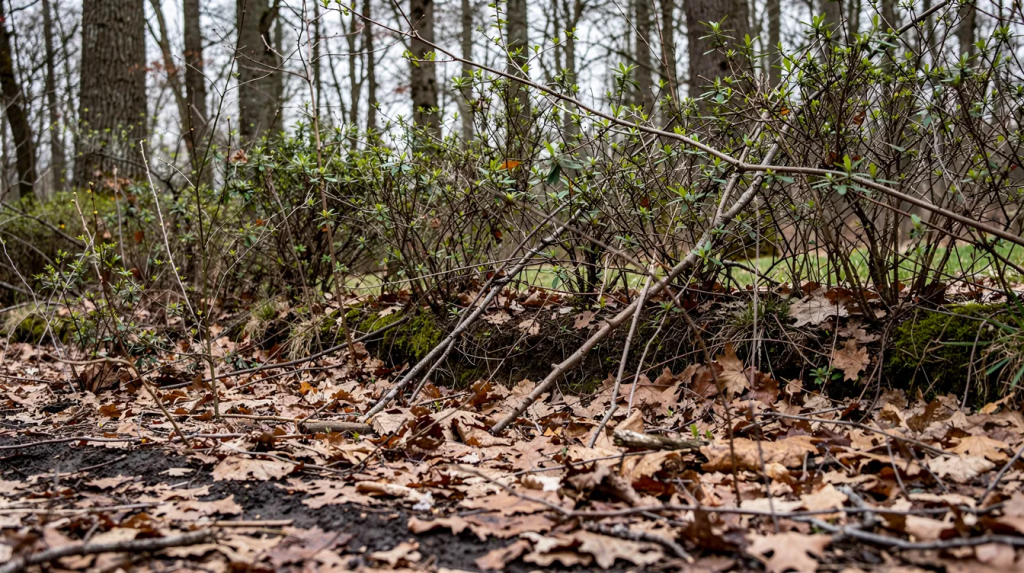
Tick density is typically highest in edge and understory habitat, wood lines, stone walls, leaf litter, and dense shaded plantings—where humidity and hosts are more available. However, ticks can still be found on lawns due to ongoing reintroduction from wildlife and pets traversing the property.
Identifying High-Risk Tick Habitats
High-risk tick habitats on typical Fairfield County properties include:
Leaf litter and brush at wood edges
Stone walls, rock borders, and stacked firewood
Shaded beds under shrubs and hedges
Narrow strips along fence lines and deer trails
Homeowners can find ticks by carefully inspecting these areas—especially leaf litter, tall grass, and stone walls—since ticks often hide in shaded, moist spots and quest at ground level to latch onto passing hosts.
Effective treatment in these zones requires 1–2 gallons per 1,000 square feet to penetrate vegetation layers and reach where ticks quest 1–18 inches above ground. Light misting at half that volume wets only top leaves, missing 70% of habitat and yielding spotty results that fade within two weeks.
Areas with dense vegetation, overgrown grass, and wooded zones tend to have more ticks, which means these spots require additional treatment effort and may increase the overall cost for tick control in Greenwich and nearby towns.
Safe Tick Control uses calibrated flow rates and walking speeds to ensure consistent coverage, treating targeted high-risk zones first before full-yard areas when needed. Thorough coverage—not just chemical strength—is what transforms a 1–2 day result into 3–4 week protection.
Inadequate coverage or missed areas can quickly lead to a tick infestation, increasing both the risk to your family and the cost of tick control services.
Transition: The right equipment is essential for reaching these high-risk habitats—let’s look at why not all sprayers are created equal.
Equipment Reality Check: Why “Quick Spray” Setups Struggle on CT Properties
Not all sprayers are designed for the same job. Equipment choice directly affects how well treatment reaches tick habitats.
Typical quick-spray setups use small backpack or portable misters with lower output volume—designed for light top-layer coverage at fast walking speeds. While effective for some flying insects, they often achieve less than 40% penetration into leaf litter on dense properties.
Limitations become clear on Connecticut yards with:
Dense shrubs and mature plantings common in Greenwich, Darien, and New Canaan
Thick leaf litter around stone walls and property borders
Sloped or uneven terrain where rushing leads to missed strips
Greenwich is known as an affluent town with upscale living and rural charm, while Darien is recognized as a family town with top-rated schools and family-friendly amenities—both communities value high-quality tick control to protect their desirable environments. Safe Tick Control provides tick and mosquito control services in Fairfield County, Connecticut, including neighborhoods like Putnam Ave in Greenwich and large estates and wooded properties in New Canaan. The company specializes in large estates and wooded properties, which require advanced equipment for thorough coverage.
Professional-grade equipment used in a mapped tick control plan offers higher, controlled output volume for better reach into vegetation layers, adjustable droplet size for coating both foliage and ground-level surfaces, and the ability to treat high-risk zones separately from open lawn.
Safe Tick Control builds site maps for properties, using equipment intentionally on each section rather than walking a generic loop.
Transition: Equipment and application quality directly impact the real cost of tick control—let’s break down what “cheap” really means for Connecticut homeowners.
The Real Cost of Cheap Tick Sprays in Connecticut
Hidden costs of ultra-low-price treatments add up:
Short-lived results requiring re-treatment every 2 weeks
Continued tick encounters near play areas and patios
Lost time arranging repeat visits or attempting DIY fixes
Ongoing uncertainty about letting kids and pets play outside
It’s important to note that treatment differs depending on the severity of the infestation and the unique conditions of each property, which can affect both cost and effectiveness.
Over a full season, a homeowner paying for cheap sprays every 2 weeks (because ticks keep appearing after heavy rain) often spends similar amounts to a well-designed professional plan with fewer, better-performing visits.
The goal is reliable residual performance—not paying twice for the same problem. Unchecked tick infestations can unleash ruin on families and properties, making effective control essential to protect your home and loved ones.
Transition: Understanding these hidden costs sets the stage for evaluating the real risks associated with tick-borne diseases.
The Risk of Lyme Disease: What’s Really at Stake for Your Family
Lyme disease is more than just a seasonal nuisance—it’s a conceivably deadly disease that can have lasting consequences for families in Fairfield County and surrounding areas. Transmitted primarily by deer ticks and lone star ticks, Lyme disease is a multisystem illness that can affect the joints, sensory system, and other organ frameworks if not detected early and treated properly. In its later stages, Lyme disease can cause permanent damage, leading to chronic pain, neurological issues, and other serious health problems.
With tick populations on the rise due to mild winters and expanding tick habitats, the risk of tick bites—and the diseases they transmit—has never been higher. Professional tick control services play a crucial role in reducing these risks by targeting the areas where ticks thrive and providing effective tick control treatments that eliminate ticks before they can transmit Lyme disease or other tick-borne diseases.
Families can further protect themselves by taking proactive steps: use insect repellents, wear long sleeves and pants when in wooded or grassy areas, and perform regular tick checks after spending time outdoors. By combining these personal precautions with professional tick spraying and ongoing tick control, such as dedicated tick control services in Westport, you can significantly lower your family’s risk of encountering ticks and developing Lyme disease or other dangerous tick-borne illnesses.
Organic Tick Control Methods: Are They Effective and Worth the Cost?
Many homeowners today are seeking safer, more environmentally friendly ways to eliminate ticks from their properties. Organic tick control has become a popular option, especially for families with children and pets who want to minimize chemical exposure. These methods typically use natural oils—like cedarwood or peppermint—to repel or kill ticks through targeted tick spraying.
While organic tick control can be effective, especially when applied by professional tick control services, it’s important to understand that these treatments may not last as long as conventional options. The effectiveness of organic tick control often depends on several factors, including the severity of the infestation, the type of natural oils used, and how thoroughly the treatment is applied. In some cases, organic tick spraying may need to be repeated more frequently to maintain protection, which can increase the overall cost compared to synthetic treatments.
Despite the potential for higher costs, many homeowners find the benefits of organic tick control—such as reduced environmental impact and peace of mind for families and pets—well worth the investment. Consulting with a professional tick control provider, such as specialists in organic tick spray in Weston, can help you determine whether organic methods are the best fit for your property and your priorities, ensuring you get the most effective and responsible solution for your tick problem.
Keeping Pets Safe: Tick Control for Your Four-Legged Family Members
Our pets are part of the family, and keeping them safe from ticks is just as important as protecting ourselves. Dogs and cats are especially vulnerable to tick bites, which can lead to serious tick-borne diseases like Lyme disease and anaplasmosis. In areas with high tick populations, such as Fairfield County, the risk is even greater.
Professional tick control services are a key line of defense, helping to reduce tick populations in your yard and making outdoor spaces safer for your pets. Regular tick control treatments target the areas where ticks hide—such as tall grass, overgrown vegetation, and shaded brush—so your pets can roam more freely without as much risk.
Pet owners should also use veterinarian-recommended tick preventatives, such as topical treatments or oral medications, and perform regular tick checks after pets have been outside, especially if they’ve been in areas where ticks commonly bite dogs. Keeping your lawn well-manicured and removing excess brush or leaf litter further reduces tick habitats around your home.
By combining professional tick control with diligent at-home prevention, you can help ensure your four-legged family members remain safe, healthy, and tick-free all season long.
What a Professional Tick Control Plan from Safe Tick Control Includes
A professional tick control plan goes beyond spraying the lawn. It’s an integrated approach tailored to each property and part of Safe Tick Control’s comprehensive pest control services for homeowners:
Inspection and Mapping
Detailed assessment of yard layout, shade patterns, woodlines, stone walls
Identification of high-risk zones and family/pet use areas
Prioritized treatment strategy based on actual tick habitats
Safe Tick Control provides personalized recommendations to make properties less tick-friendly, including landscaping suggestions
Treatment Strategy
Calibrated application with appropriate volume for dense Fairfield County vegetation
Focus on leaf litter edges, shaded brush, fence lines, wildlife pathways
Avoidance of vegetable gardens, pollinator habitat, and water features
Safe Tick Control offers same-day or next-day treatment for urgent tick control needs
Safe Tick Control avoids wellheads and water sources during application to prevent contamination
Safe Tick Control treats the entire property, including lawns, perimeters, landscape beds, and wooded edges
Treatments target vegetation where ticks hide, ensuring effective pest control
Schedule Approach
Seasonal program covering main activity months with visits spaced to maintain residual effect
Timing adjustments after unusual weather based on tick pressure
It’s important to start tick control in early spring when nymph ticks emerge
Treatment Options
Conventional treatments designed for stronger residual performance
Organic tick control options using natural oils for families preferring that approach (may require more frequent applications)
Treatments are safe for children and pets once dry, typically within 30 to 60 minutes
Safe Tick Control offers a 30-day tick-free guarantee on synthetic treatments
Organic pest treatments are available, including cedarwood-oil treatments for eco-conscious households
Safe Tick Control also offers [mosquito control services][Internal link: Mosquito Control Services] and provides basic habitat guidance to reduce tick pressure between visits.
Transition: After understanding what’s included in a professional plan, it’s time to break down the actual price and value of tick control in Connecticut.
Price and Value: What Drives the Cost of Tick Control in CT?
Main Cost Drivers
Safe Tick Control bases pricing on property-specific factors rather than one-size-fits-all coupons. Main treatment cost drivers include:
Property size (square footage): Base treatment area
Woodline/stone wall length: 20–50% premium for extensive borders
Shade and moisture levels: Increases tick habitat density
Slope and access complexity: Affects treatment time
Visit frequency: Monthly vs. fewer visits
Treatment type: Conventional vs. organic options
A compact suburban yard in Greenwich with modest plantings may fall at the lower end of seasonal pricing. A larger property in New Canaan with long woodlines and extensive stone walls requires more time and material.
Typical Cost Ranges for Tick Control in Connecticut
Standard professional treatment: $99–$600+ per visit
Seasonal bundles: Start around $99/month
One-time treatments: $150–$750+
Per acre pricing: $200–$300 per acre
Pricing for tick control services: Starts at $95 and is based on property size, terrain, vegetation density, and coverage needs
Getting a Customized Quote
Paying for a carefully mapped, calibrated plan typically reduces emergency visits and surprise tick encounters. Request a customized quote from the tick experts.
Transition: Once you know what to expect for cost and value, it’s important to combine professional service with prevention strategies for the best results.
Tick Prevention Beyond Spraying: Yard and Personal Protection
Best practice combines professional treatment with yard hygiene and personal precautions.
Yard Management (per university extension guidance):
Keep lawns mowed and edges trimmed
Remove excess leaf litter and brush piles at wood edges
Create clear, dry borders between lawn and woods where feasible
Understanding the life stages of ticks can help target prevention efforts more effectively, as different stages may be present in different areas of your yard.
Personal and Pet Protection (per CDC guidance):
Regular tick checks after time outdoors (behind knees, armpits, hairline); be sure to check for dog ticks as well, since they are another common species that can affect both pets and humans
Veterinarian-recommended pet tick preventives
Prompt removal using fine-tipped tweezers
Safe Tick Control technicians point out high-risk spots during inspections. See[Tick Prevention Guide] for detailed recommendations. Combining yard management, professional treatments, and daily habits is especially important in high-incidence Lyme disease areas like Fairfield County.
Transition: For quick answers to common questions about tick control, see the FAQ below.
Short FAQ: Residual Effect, Safety, and Service Expectations
How long does a professional tick treatment usually last?
Conventional treatments typically perform for 3–4 weeks under normal CT weather. Organic options may need tighter scheduling.What happens if it rains right after treatment?
Once dried (usually 30–60 minutes), normal showers have limited impact. Very heavy, early downpours can reduce performance.Is tick treatment safe for kids and pets?
Stay off treated areas until dry. Safe Tick Control uses application methods consistent with label directions and industry standards to keep family and pets safe.How often should my yard be treated in Connecticut?
Many homeowners choose regular visits throughout tick season (April–November), with frequency based on property conditions and infestation severity.Can I just do DIY spraying instead?
DIY products exist, but professionals bring training, calibrated equipment, and mapped plans difficult to replicate with consumer sprayers.What makes a tick control plan premium?
Thorough inspection, high-volume calibrated application, consistent scheduling, weather-aware adjustments, and clear communication.Will one-time treatment be enough?
One-time visits reduce pressure for a short window but long-term risk reduction requires a seasonal plan.
Transition: For those who want to dig deeper, here’s where our recommendations come from.
Sources and Evidence-Based Guidance
Safe Tick Control builds recommendations on established public health and extension service guidance:
CDC: Tick bite prevention, personal protection, proper tick removal techniques
University extension resources: Tick habitat management, yard modifications, general treatment principles
These sources consistently highlight managing leaf litter and transition zones, the role of properly applied residual treatments, and continued vigilance in high-incidence Lyme disease areas. Formal citations available upon request.
Transition: Ready to take the next step toward a safer, tick-free yard?
Ready for a Yard That Actually Stays Treated?
If you’re tired of short-lived cheap sprays and repeated tick encounters, consider a more deliberate, science-based approach. Safe Tick Control is locally owned and based in Greenwich, serving surrounding towns including Darien, New Canaan, Stamford, Westport, Weston, and Norwalk.
We offer both conventional and organic tick control options with plans tailored to property size, layout, and risk level.
Request an on-site inspection and custom quote: Call us now
Review treatment approaches: Tick Control Services
Confirm service availability: Service Area Page
Effective tick control is an important step in restoring health and peace of mind for families affected by tick-borne diseases.
Understanding residual effect, coverage, and equipment helps you invest wisely—so your yard protection holds up through real Connecticut weather, not just the first sunny day after a spray.