
Connecticut consistently ranks among the states with the highest Lyme disease rates in the country. If you live in Greenwich, Stamford, Westport, New Canaan, or anywhere in Fairfield County, you already know the reality: wooded lots, stone walls, and shaded yards create ideal conditions for ticks to thrive. The question isn’t whether to treat your yard—it’s which approach fits your family best. Choosing the right tick treatment is crucial for protecting your family and pets from tick-borne diseases while maintaining a safe and enjoyable outdoor environment.
When we talk about “all-natural” tick treatment, we mean plant-based or essential oil formulations, with cedarwood oil being one of the most common ingredients on the market today. “Synthetic” refers to professional-grade treatments applied by licensed technicians that use formulated products designed for longer-lasting tick control. At Safe Tick Control, we offer both options and work with homeowners to build custom yard treatment plans rather than forcing everyone into the same program.
This guide is written for CT homeowners who want a clear, honest comparison between natural and synthetic tick treatments—without scare tactics or confusing jargon. Whether you have kids running through the backyard, pets exploring the woodline, or you simply want to enjoy your outdoor space, understanding these options will help you make a decision that actually fits your situation.
Quick Answer: Should You Choose All-Natural or Synthetic Tick Treatment?
For homeowners who just need the short version: both natural and synthetic treatments can reduce tick activity in your yard, but they work differently and suit different situations. Here’s how to think about it.
Choose All-Natural if…
You prioritize plant-based ingredients and prefer to avoid synthetic chemicals
Your yard has lower to moderate tick pressure (more open lawn, less dense woods)
You don’t mind a more frequent treatment schedule (often every 1-2 weeks during peak season)
You enjoy or tolerate the stronger scent of essential oils like cedarwood or lemongrass oil
You’re comfortable with good repellency rather than maximum knockdown
Choose Synthetic if…
You need strong, fast knockdown of existing ticks in a heavily wooded or brushy yard
You have kids or pets frequently playing near tall grass, stone walls, or wooded edges
You want long lasting protection between treatments (often 3-4 weeks)
A warranty matters to you—Safe Tick Control offers a 30-day tick-free guarantee on synthetic plans
You prefer a low-odor formula that doesn’t leave a noticeable plant scent
Synthetic, veterinarian-recommended treatments are generally more effective at preventing tick attachment and disease transmission in regions like Greenwich, especially in higher risk yards or situations.
Many Connecticut homeowners land somewhere in the middle with a hybrid plan: synthetic treatment during high-pressure tick months (typically May through July), then switching to all-natural in shoulder seasons or for sensitive areas of the property. This approach gives you flexibility without forcing an all-or-nothing decision.
Synthetic tick treatments often provide longer-lasting and more reliable protection in higher risk areas, making them a preferred choice for properties with dense woods, heavy tick activity, or increased exposure to tick-borne diseases.
Side-by-Side Comparison: All-Natural vs Synthetic Tick Treatment
A clear comparison helps set realistic expectations for both approaches. The table below breaks down the key differences so you can see the trade-offs at a glance.
Feature | All-Natural (Plant/Oil-Based) | Synthetic (Professional-Grade) |
|---|---|---|
Effectiveness against CT ticks (deer ticks, lone star ticks) | Good short-term repellency; field studies show limited knockdown (often under 10%) and weak residual suppression after two weeks | Strong knockdown (typically 80-90%+) with residual control lasting 3-4 weeks in most conditions |
Speed of results | Immediate repellency effect; existing tick populations may take longer to decline | Noticeable reduction often within 24-48 hours in treated areas |
Residual length | Typically 7-14 days depending on rain, shade, and vegetation density | Often 21-30 days under typical CT weather; some products maintain efficacy even longer |
Rain resistance | Lower—heavy rain or frequent dew shortens protection significantly | Higher—formulated to adhere to vegetation; light rain after drying usually fine |
Odor | Noticeable plant or wood scent (some love it, others find it strong) | Generally low odor after drying; minimal lingering fragrance |
Cost/Value | Higher cost per application, and more frequent visits needed. Overall 20%-30% more expensive per season, than synthetic. | Lower per-visit cost, fewer applications and often includes guarantees |
Ideal yard types | Open yards with good sun, moderate tick pressure, minimal brushy edges | Wooded properties, dense shrub borders, shaded lots, high deer/rodent traffic |
Sensitivity considerations | Appealing for those avoiding synthetic products; note that essential oils can cause skin irritation or allergic reactions in sensitive individuals | Requires keeping kids and pets indoors until dry; professional application reduces exposure risk |
[Image #4: Comparison chart showing trade-offs between all-natural and synthetic tick treatment approaches] |
In plain terms: synthetic treatments tend to win on duration and knockdown effectiveness, while all-natural options appeal to homeowners who prioritize plant based ingredients and don’t mind a more hands-on schedule. The choice of active ingredient in each product type plays a key role in determining both the duration and effectiveness of protection. Neither is universally “better”—it depends on your yard and your personal preferences.
How All-Natural Tick and Mosquito Treatments Work
All-natural yard treatments rely on plant-based ingredients to create an environment that ticks and mosquitoes find less inviting. All-natural tick treatments often utilize plant-based ingredients such as essential oils, which are considered safer for humans and pets. Cedarwood oil is one of the most widely used active ingredients in these formulations, though you’ll also see products containing citronella, lemon eucalyptus, and other natural repellents.
These treatments work primarily through repellency and disruption. When applied to targeted perimeter and harborage areas—woodlines, shrub borders, shaded ground cover—the oils create a scent and surface that ticks and mosquitoes tend to avoid. Some natural products provide limited knockdown on direct contact, but the main benefit is short-term repellency rather than elimination of existing populations.
Here’s what to expect from an all-natural approach:
Typical residual in CT yards: Often 7-14 days, though this can drop sharply after heavy rain, in deeply shaded areas, or in yards with dense, moist vegetation
Noticeable scent: Plant oils have a stronger fragrance than most synthetic options; many homeowners like the cedar or citronella smell, while others find it intrusive
Best fit: Lower to moderate tick pressure yards, or as part of a consistent schedule (every 2 weeks during peak season) to maintain coverage
Peace of mind: Minimum risk natural products avoid conventional synthetic pesticides, which some family members prefer
Natural tick treatments are generally considered non-toxic to humans and pets, and are often marketed as environmentally friendly and biodegradable, whereas synthetic treatments can leave chemical residues.
Research from the USDA shows that cedarwood oil can repel 80-94% of blacklegged tick nymphs within the first 30 minutes of exposure—but that effectiveness drops over time and under real-world conditions. Field studies of minimum risk cedarwood products found knockdown rates under 10% and residual suppression near zero after two weeks. This doesn’t mean natural mosquito treatment is ineffective; it means expectations should match reality.
Safe Tick Control’s all-natural option is designed for customers who prioritize eco friendly, plant-based treatments while still wanting professional application, inspection, and a consistent schedule, which is especially popular with homeowners using our tick control services in Fairfield, CT.
How Synthetic Tick and Mosquito Treatments Work
Professional-grade synthetic treatments are the most widely used approach for tick control in Connecticut, especially in yards with significant tick pressure. Synthetic tick treatments typically contain chemical compounds that are effective in killing ticks but may pose health and environmental risks. These products are formulated for predictable, longer-lasting results. Products like NexGard, Bravecto, Simparica Trio, and Seresto are highly recommended for Connecticut because they offer continuous, reliable protection.
Synthetic treatments work by providing strong knockdown of existing ticks and mosquitoes in treated areas, then leaving a residual on vegetation and surfaces where pests climb, rest, and wait for hosts. Unlike natural repellents that mainly deter, synthetic formulations continue affecting ticks over a longer period between service visits. Common synthetic active ingredients include N,N-diethyl-meta-toluamide (DEET), which is a proven option for tick and mosquito control.
Key performance traits of synthetic tick treatment:
Faster visible results: Many homeowners notice a significant reduction in tick and mosquito activity within 24-48 hours after treatment
Longer residual: Often 21-30 days under typical CT weather, compared to 1-2 weeks for most natural products
Better rain resistance: Formulated to bind to foliage and resist wash-off; light rain after the product dries typically doesn’t require immediate re-treatment
Professional application: Applied by trained, licensed technicians who target woodlines, shaded vegetation, and tick habitat rather than blanket-spraying everything
When considering chemical products for tick and mosquito control, it’s important to weigh their efficacy and environmental impact. Chemical products like DEET can leave environmental residues, but they are also regulated for safety and are often more effective than natural alternatives.
Safe Tick Control backs its primary synthetic tick plan with a 30-day tick-free guarantee—if ticks show up within that window, we come back and re-treat at no charge. We also offer same-day or next-day service throughout much of Fairfield County, including dedicated tick and mosquito control in Stamford, CT.
A note on safety: Synthetic treatments are still pesticides and require proper handling. Safe Tick Control technicians are licensed in Connecticut and follow all label directions. We focus on targeted perimeter/harborage areas where ticks actually live, avoiding indiscriminate application. Homeowners should keep kids and pets indoors during treatment and until surfaces have fully dried.
Synthetic treatment is usually the best fit for heavily wooded properties, yards with frequent deer or rodent activity, or families with a history of Lyme disease or other mosquito borne diseases exposure who want maximum protection.
Active Ingredients: What’s Really in Your Tick Treatment?
When choosing a tick or mosquito treatment for your Connecticut yard, it’s important to know exactly what’s inside the products you’re using. The active ingredients are what make these treatments effective, and understanding them helps you make choices that align with your family’s health priorities and environmental values.
Natural mosquito control products typically rely on essential oils such as cedarwood oil, lemongrass oil, lemon eucalyptus, and citronella. These plant-based ingredients are well-known for their ability to repel mosquitoes and ticks, offering a natural alternative to synthetic pesticides. Because they’re derived from plants, these natural repellents are often considered safer for human health and have a minimal environmental impact when used as directed.
On the other hand, some tick control products use synthetic chemicals like permethrin or DEET, which are formulated for long-lasting protection and strong knockdown of pests. While these synthetic options can be highly effective, they may not be the right fit for every household—especially if you’re concerned about chemical exposure or the broader environmental impact.
It’s also worth noting that the Environmental Protection Agency (EPA) regulates both natural and synthetic pesticides to ensure safety and efficacy. Some products may even combine natural and synthetic ingredients for a balanced approach. Always check the product label to see what active ingredients are included, and look for options that prioritize minimal environmental impact if that’s important to you.
By understanding the difference between plant-based and synthetic ingredients, you can choose a tick and mosquito control solution that fits your needs—whether you’re focused on natural mosquito repellents, long-lasting protection, or a blend of both.
What a Professional Yard Treatment Plan Looks Like in Connecticut
The biggest difference between DIY sprays and professional service isn’t just the product—it’s the planning. A proper yard treatment plan starts with inspection, moves to targeted application, and maintains a consistent schedule through tick season.
Initial Inspection
A technician walks your property, checking woodlines, play areas, stone walls, tall grass, and damp or shaded corners
Notes tick “hot spots” including leaf litter at the edge of woods, under shrubs, and around landscape features
Identifies areas where kids and pets spend the most time outdoors
Focus Areas for Treatment
Wooded edges and brushy borders where deer and rodents travel
Shaded shrubs, ornamental plantings, and under low-hanging branches
Under decks, around patios, near sheds, along stone walls and fences
Areas with tall grass or groundcover near playsets, pools, and dog paths
Treatment Approach
Targeted perimeter/harborage areas first, then expand to full-yard treatment when tick pressure or layout requires it
Both all-natural and synthetic options available, with the flexibility to mix approaches over the season (for example, synthetic in May-July when tick pressure peaks, natural later in fall)
Clear communication about when the yard is safe for kids and pets to return
A predictable schedule matters. For synthetic treatments, most CT yards do well with service every 3-4 weeks during peak season (April through October). All-natural plans typically need more frequent visits—often every 2 weeks—to maintain coverage.
Safe Tick Control can also advise on simple yard changes that reduce tick habitat: trimming back brush, cleaning up leaf litter, managing woodpiles, and adjusting play area placement away from high-risk zones. These environmental impact adjustments complement any treatment approach and are built into our tick and mosquito control programs in Westport, CT.
Tick and Mosquito Habitats in CT Yards: Why Your Yard Type Matters
Your yard’s layout, shade patterns, and moisture levels strongly affect which treatment type will feel “effective enough.” Not every property needs the same approach.
High-risk yards: In communities like New Canaan, CT, where wooded lots are common, high-risk yards often share several features:
Properties backing up to woods, land trusts, or undeveloped areas
Yards with stone walls, stacked firewood, heavy leaf litter, and dense groundcover
Shaded, damp areas that stay moist through the day
These yards often benefit most from synthetic treatments or a hybrid plan for reliable tick reduction
Moderate-risk yards: Many Greenwich-area properties with mixed sun and shade fall into this category:
Suburban lots with some trees, foundation shrubs, and neighboring woods within 50-100 feet
A mix of sun and shade with reasonable air circulation
Both natural and synthetic can work here if treatments are consistent and well-timed
Lower-risk, open yards: Wide, sunny lawns with limited shrub borders and good airflow—common on parts of Weston, CT residential properties—have these traits:
Wide, sunny lawns with limited shrub borders and good airflow
Minimal connection to wooded areas or wildlife corridors
All-natural may feel more adequate here, especially when combined with good mowing and landscape hygiene
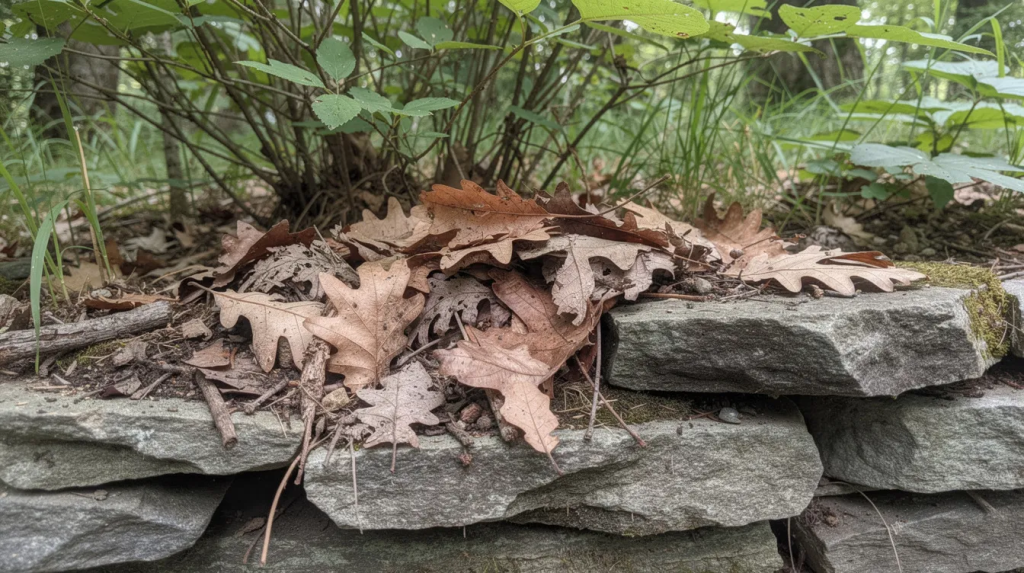

The overlap between tick and mosquito habitats is significant. Both pests thrive in shaded, moist vegetation and avoid open, sunny, dry areas. A treatment plan that targets these zones addresses multiple pests at once, which is why many homeowners combine tick and natural mosquito control into a single service.
Safe Tick Control tailors recommendations after seeing your property rather than forcing everyone into a single package. Your neighbor’s ideal plan might not match yours.
Combining Natural and Synthetic Methods: Is a Hybrid Approach Right for You?
If you’re looking for the best of both worlds in tick and mosquito control, a hybrid approach might be the answer. Combining natural repellents with synthetic products allows you to tailor your protection plan to your family’s needs, the season, and your personal preferences, which is exactly how we design hybrid tick control plans for Norwalk, CT homeowners.
For example, you might use natural mosquito repellents containing lemon eucalyptus or other essential oils during periods of lower tick and mosquito activity, enjoying their pleasant scent and minimal impact on the environment. When tick pressure rises—such as during peak summer months—you can switch to synthetic repellents like DEET or permethrin for long-lasting protection and stronger knockdown.
This flexible strategy helps minimize your overall use of synthetic chemicals while still ensuring effective tick control when it matters most. It’s also a great way to address concerns about skin irritation or allergic reactions, as you can choose the gentlest option for sensitive family members during low-risk times.
When considering a hybrid approach, think about your yard’s risk level, your family’s health needs, and how much time you spend outdoors. Consulting with a professional can help you design a plan that balances natural and synthetic methods for optimal protection—without overusing any one type of product.
Ultimately, combining natural and synthetic repellents gives you the freedom to adapt your tick and mosquito control strategy throughout the season, keeping your yard safe and comfortable for everyone.
Environmental Considerations for Connecticut Yards
Protecting your family from ticks and mosquitoes is important—but so is protecting the environment that makes Connecticut such a beautiful place to live. The choices you make for tick control can have a lasting impact on local wildlife, pollinators, and the overall health of your yard.
Synthetic pesticides, while effective, can sometimes harm beneficial insects like bees and butterflies, as well as birds and other wildlife that call your yard home. That’s why many Connecticut homeowners are turning to natural mosquito control methods that use essential oils and other plant-based ingredients, similar to the organic tick and mosquito programs we run for Greenwich, CT properties. These natural products offer an eco-friendly way to manage pests with minimal environmental impact.
In addition to choosing safer products, simple yard maintenance can go a long way. Removing leaf litter, trimming back dense vegetation, and keeping your lawn tidy all help reduce tick and mosquito habitats naturally. Integrated pest management strategies—such as using natural flea and tick control methods alongside regular yard care—can further minimize your reliance on synthetic pesticides.
When selecting tick control products, look for those labeled as low-risk or with minimal environmental impact. Not only will you be protecting your family and pets from mosquito borne diseases like Lyme disease, but you’ll also be supporting a healthier, more sustainable environment for years to come.
By making thoughtful choices about tick and mosquito control, you can enjoy your Connecticut yard while preserving the natural beauty and biodiversity that make our state unique.
Safety, Kids, Pets, and Sensitive Family Members
Both natural and synthetic treatments can be used responsibly when applied by trained professionals following label directions. Here’s what to keep in mind for protecting your family members.
Kids and pets:
Keep everyone indoors during application and until treated areas are fully dry (typically 30 minutes to a few hours depending on weather)
Both natural and synthetic products are still pesticides and deserve respect—“natural” doesn’t automatically mean safe for direct contact while wet
Professional application ensures proper dilution and targeting, reducing the risk of adverse reactions
Fragrance and sensitivity:
All-natural formulas often have a stronger, more noticeable scent from essential oils
Some families with asthma, migraines, or fragrance sensitivity may actually prefer low-odor synthetic options
If you’re concerned about skin irritation or allergic reactions, discuss your situation with your provider before treatment
Environmental considerations:
Focus on targeted perimeter/harborage areas instead of blanket overapplication
Safe Tick Control avoids treating blooming plants where pollinators like bees are active
Proper application minimizes environmental impact while still achieving effective control
Anyone with specific medical concerns should speak with their healthcare provider and can request product labels in advance of treatment. The Environmental Protection Agency regulates both natural and synthetic pesticide products, and professional applicators must follow all human health and safety guidelines.
Safe Tick Control technicians are licensed in Connecticut and trained on safe application techniques that protect your family, your pets—including your dog, cat, or other animals—and the broader environment, which is especially important for tick control focused on protecting dogs in Greenwich, CT.
Frequently Asked Questions About All-Natural vs Synthetic Tick Treatment
These FAQs address the most common questions we hear from Connecticut homeowners weighing their options.
Are all-natural tick treatments as effective as synthetic treatments?
All-natural treatments can reduce tick activity and provide repellency, but synthetic products typically deliver stronger knockdown and longer-lasting control. In field studies, natural cedarwood-based products showed knockdown rates under 10%, while synthetic treatments often exceed 80-90% in treated zones. For high-pressure yards, synthetic or hybrid plans usually produce more noticeable results.
How long does each type of treatment last in a Connecticut yard?
Natural options typically provide 7-14 days of meaningful protection, while synthetic treatments often last 21-30 days under normal CT weather. Rain, shade, and vegetation density all affect duration. Properties with heavy tree cover or frequent storms may see shorter residual from both types.
Will rain wash away my tick treatment?
Light rain after the product has dried is usually fine for both types. Heavy downpours can shorten the effective life of any treatment, though synthetic formulations are generally more rain-resistant. If a major storm hits within hours of application, your provider may recommend a follow-up visit.
Is the all-natural option automatically safer for my kids and pets?
Not automatically. “Natural” doesn’t mean “risk-free.” Both treatment types must be used according to label directions, and professional application greatly reduces the risk of misuse. Some natural products can cause irritation in sensitive individuals. The key is keeping family members and pets away until surfaces are dry, regardless of which option you choose.
Can I switch between all-natural and synthetic during the season?
Yes, and many CT homeowners do exactly this. A common hybrid approach uses synthetic treatment during peak tick pressure (May-July), then transitions to all-natural in late summer or fall when tick activity decreases. You can adjust based on your comfort level, budget, and how your yard responds.
What about do-it-yourself sprays from the store?
DIY sprays and other products can work for spot-treating small areas, but they typically lack the inspection, targeting, and consistent schedule that professional service provides. Effectiveness depends heavily on correct application—many homeowners under-apply or miss key harborage areas. If you go the DIY route, read labels carefully and understand that results may vary.
Does tick treatment also help with mosquitoes?
Yes. Targeted yard treatments often reduce both ticks and mosquitoes because both pests rest in similar shaded vegetation during the day. However, yards with standing water or heavy mosquito pressure may benefit from separate mosquito repellents service focusing on breeding sites. Chemical mosquito control methods, which use synthetic substances like DEET, pyrethroids, and permethrin, can pollute soil and water sources, raising environmental concerns. Safe Tick Control offers both tick and mosquito control.
Learn more about our tick treatment options: Tick Control Services
If mosquitoes are also a concern around your deck or pool: Mosquito Control Services
Want to dive deeper into tick prevention tips for Connecticut? Tick Control Complete Guide
Check if your town is in our Fairfield County service area: Service Area
Safe Tick Control is a family-owned, locally operated company serving Greenwich, Stamford, Westport, New Canaan, Darien, Norwalk, Weston, and surrounding Connecticut towns. We offer same-day or next-day service in most areas, and our focus is always on practical protection—not pressure or scare tactics. Whether you lean toward natural flea and tick products or professional-grade synthetic treatment with our 30-day guarantee, we’re here to help you make an informed choice for protecting your family and your yard.