
Introduction
Are you a homeowner in Fairfield County, Connecticut, concerned about protecting your family and pets from ticks and the diseases they carry? This guide is specifically written for Fairfield County homeowners who want to understand the best time to spray for ticks and why timing is crucial for effective tick control. With Connecticut ranking among the states with the highest rates of Lyme disease, knowing when to start and continue tick spraying is essential for reducing the risk of tick bites and tick-borne illnesses. By understanding local tick activity patterns and the unique environmental factors in Fairfield County, you can make informed decisions to keep your property and loved ones safe throughout the tick season.
Key Takeaways
In Fairfield County, CT, the best time to start spraying for ticks is early spring (March–April) and to continue through fall into November while temperatures stay above freezing.
Deer ticks (blacklegged ticks) can be active any time temperatures rise above 32°F, so waiting until you’re already finding ticks on kids or pets is too late for ideal prevention.
Safe Tick Control typically runs professional tick treatment programs from April through November in towns like Greenwich, Darien, New Canaan, Stamford, Westport, Weston, Wilton, Ridgefield, Norwalk, and Fairfield, reflecting their broad Fairfield County tick and mosquito service areas.
Synthetic tick sprays usually last about 30 days per treatment, while organic cedar oil sprays need reapplication every 2–3 weeks to maintain protection.
Wooded borders, stone walls, shaded lawn edges, leaf litter, and pachysandra beds all extend tick season on a property and often justify earlier start dates and more frequent treatments.
Why Timing Your Tick Sprays Matters in Connecticut
Connecticut consistently ranks among the states with the highest rates of Lyme disease, with hundreds of confirmed cases each year. Greenwich and greater Fairfield County are high-risk zones for Lyme disease, leading to recommendations for recurring treatment schedules every 4 to 6 weeks to disrupt different tick life stages. This isn’t fear-mongering—it’s simply the reality of living in one of the most tick-dense regions in the country.
Blacklegged ticks, commonly called deer ticks, are the main carriers of Lyme disease bacteria in our area. They remain active whenever conditions are above freezing and humid, not just during summer months. Ticks can also transmit other diseases such as Anaplasmosis, Babesiosis, and Ehrlichiosis, which can have varying symptoms and health impacts on your family.
The phrase “best time to spray for ticks” really means treating your property before and throughout periods of heavy tick activity. Properly timed yard treatments kill ticks where they live before they can reach your family or pets. Safe Tick Control bases treatment timing on local tick activity patterns, real Fairfield County weather conditions, and the specific characteristics of each property rather than following a generic national schedule, which aligns with Fairfield County tick forecast and risk trends.

Quick Answer: Best Time to Spray for Ticks in Fairfield County, CT
For most Fairfield County homes, the practical tick spraying season runs from April through November, with some properties benefiting from starting as early as late March if weather is mild. Ticks are most active during the warmer months from April through September, making these the best times for spraying treatments to control ticks on your property.
The first spray is ideally applied in early spring as soon as tick activity picks up—often when daytime highs are regularly in the 40s–50s°F range. Ticks become active as soon as temperatures consistently reach 45°F and above. Adult deer ticks can be active on any mild winter day above freezing, but consistent outdoor tick control generally becomes most important from April onward when families and pets are spending more time outside.
Safe Tick Control typically recommends continued treatments into October and often November because adult deer ticks have a major activity peak in fall, supported by data from the Connecticut Agricultural Experiment Station. Stopping sprays too early—for example in August—can leave your property exposed to fall tick borne diseases, even though mosquitoes may be declining.
Understanding Tick Activity and Life Stages in Connecticut
The deer tick life cycle moves through three stages: larva, nymph, and adult. Each stage feeds on different hosts like small mammals such as mice, shrews, and chipmunks, as well as birds, pets, and deer. Understanding these stages helps explain why effective tick control involves timing treatments throughout the season rather than relying on a single application.
According to the Connecticut Agricultural Experiment Station, nymphs are most active from late spring through summer and represent a major source of tick bites leading to Lyme disease. Their tiny size—about the size of a poppy seed—makes them easy to miss during a tick check. Adult ticks have activity peaks in early spring and again in the fall months.
Early symptoms of Lyme disease typically appear 3-30 days after a tick bite and may include fever, headache, fatigue, and a characteristic skin rash. If left untreated, Lyme disease can progress to cause serious complications affecting the joints, heart, and nervous system. In 2025 surveillance, Fairfield County had approximately 41% of tested nymphs positive for Borrelia burgdorferi—among the highest infection rates statewide.
Tick activity does not disappear just because grass looks short and neat. Ticks live in leaf litter, shaded wooded edges, stone walls, low groundcover plants, and brushy transitions between lawn and woods. Properly timed spring sprays help eliminate ticks that overwintered as adults and target emerging nymphs, summer sprays control ticks throughout nymph and larval activity, and fall sprays reduce adult deer ticks before they lay eggs.
Season-by-Season: When to Spray for Ticks in Fairfield County
Connecticut’s tick season is now longer than it used to be. The Connecticut Department of Public Health notes tick activity whenever temperatures are above freezing, and milder winters have contributed to year-round presence in some locations. Climate change has shifted traditional patterns, making early vigilance more important than ever.
Safe Tick Control uses weather data, local tick reports, and property conditions to fine-tune start and stop dates for each client while generally operating April through November. Their approach as a local Fairfield County tick control company focuses on tailoring timing and methods to specific properties rather than following a one-size-fits-all calendar. While some national advice mentions March–December, Fairfield County’s most practical professional treatment window is usually April–November, with occasional March or December treatments in unusual warm years.
Early Spring (March–April): The Ideal Time to Start Tick Spraying
In lower Fairfield County towns like Greenwich, Stamford, Norwalk, and Westport, ticks often resume activity once snow is gone and daytime temperatures stay above freezing, typically from mid-March through April. The most important time to spray for ticks is in May or early June when nymph ticks are out, but starting in early spring catches overwintered adults first.
An early spring spray targets adult ticks and the first wave of nymphs emerging from leaf piles, stone walls, and shaded beds along property edges. Many Safe Tick Control clients prefer their first spray in late March or early April so their yards are treated before kids begin playing outside regularly and before spring sports, gardening, and patio season ramp up.
Starting early is always better than starting late. Waiting until May or June when people are already finding ticks on pets or children usually means playing catch-up rather than preventing infestations. In cooler inland towns like Ridgefield, Wilton, and Weston, the first treatment may happen a bit later in April depending on how quickly temperatures rise.
Late Spring and Summer (May–August): Maintain Consistent Tick Control
Late spring and early summer is when nymphal deer ticks are most active, which is the period the CDC associates with the greatest disease transmission risk. These tiny infected ticks can attach to exposed skin without being noticed for hours or even days.
During May, June, July, and into August, Safe Tick Control keeps properties on a regular schedule—about every 30 days for synthetic sprays or every 2–3 weeks for organic cedar oil—to maintain continuous protection. This is when Fairfield County families are outdoors the most: pools are open, kids are in the yard, and pets are constantly moving between lawn and wooded areas.
In dense, shady properties with stone walls, pachysandra, and woodland borders common in New Canaan, Wilton, Ridgefield, and Weston, professional tick and mosquito control in New Canaan and nearby towns helps keep tick pressure from staying high all summer. This is also the time to combine yard treatments with EPA registered insect repellents on skin and treat clothing with permethrin for hiking or walking dogs in local parks and preserves.

Fall (September–November): Don’t Stop Tick Sprays Too Soon
According to the Connecticut Agricultural Experiment Station, adult ticks have a strong activity peak in October and November, especially in humid, leaf-covered areas typical of Fairfield County yards in fall. Many homeowners assume tick risk ends after Labor Day, but adult deer ticks remain active until temperatures consistently drop below 32°F.
Safe Tick Control usually continues tick sprays into October and often through November, focusing heavily on wooded edges, stone walls, shaded lawn margins, and leaf accumulations where adult ticks shelter. Stopping sprays after summer can leave a family exposed during fall sports, leaf raking, Halloween activities, and late-season gardening.
A well-timed final fall treatment can help reduce the number of ticks by targeting adult female deer ticks that survive to lay thousands of eggs, lowering tick population pressure the following spring.
How Property Conditions Affect the Best Time to Spray
Not all Fairfield County properties are the same. Wooded backyards in Wilton or Ridgefield have different tick pressures than open coastal lawns in parts of Westport or Fairfield. When spraying for ticks, it is important to target areas where ticks are likely to live, such as woodland edges, brush, and stone walls, as well as the perimeter of play areas where people spend time.
Common local tick habitats that extend or intensify tick season include:
Mature woods along fence lines: Provide shade, moisture, and deer paths.
Stone walls: Offer protected microclimates for ticks.
Leaf litter piles: Retain humidity, creating ideal tick environments.
Pachysandra and ivy beds: Dense groundcover where ticks can hide.
Ornamental shrubs near lawn: Serve as transition zones between lawn and woods.
Bird feeders: Attract small mammals that carry ticks.
Properties with heavy deer traffic, nearby wetlands, or extensive shade: These may benefit from starting treatments earlier in spring and continuing later into fall.
Safe Tick Control customizes start dates, end dates, and treatment frequencies based on on-site inspection rather than using a one-size-fits-all calendar, and they rely on specialized high-pressure tick spraying equipment rather than ineffective backpack sprayers to reach protected habitats.
Treatment Frequency: How Often to Spray to Kill and Control Ticks
Frequency matters as much as start date. Letting too much time pass between treatments allows more ticks to migrate in from surrounding woods and neighboring properties. For optimal pest control, treatments are generally reapplied every 4 to 6 weeks, with synthetic products usually requiring monthly reapplications and natural treatments requiring more frequent applications.
Acaricides are pesticides specifically designed to kill ticks and mites, and they can be applied to lawns and vegetation to reduce tick populations. Studies indicate that properly applied acaricides can reduce tick populations for six to eight weeks, especially when combined with landscaping measures. A single application of acaricides can reduce the number of ticks in your yard for six to eight weeks, particularly when combined with yard maintenance.
Natural alternatives for tick control, such as essential oils derived from cedar, can be used, but they typically break down faster than chemical sprays and may require more frequent applications—usually every 2–3 weeks. Effective tick sprays are available in various forms, including premixed sprays, concentrates, and dry granules, with liquid formulations generally providing better results.
Full-property treatments are more effective than perimeter-only applications, targeting not just the borders but the entire landscaped area where ticks might inhabit. Choosing a provider that offers same-day full-property tick spraying in Fairfield County can help ensure these applications focus on shady, moist areas where ticks hide, creating a targeted spray band around ideal tick habitats.
Professional Tick Spraying vs. DIY Timing
Homeowners can use over-the-counter yard sprays, but correct timing and thorough coverage are critical to actually control ticks, not just feel safer. Professional services like Safe Tick Control build seasonal programs around local tick biology, Connecticut climate patterns, and real yard layouts, offering comprehensive organic and conventional tick control in Greenwich and surrounding towns.
Professionals time applications to hit key life stages—adult deer ticks in early spring and fall, nymphs in late spring and early summer—while monitoring weather conditions that affect product performance. Spray applications should be timed for early morning or early evening to avoid the hottest part of the day, as direct sunlight can degrade pesticide effectiveness.
The EPA maintains a list of registered acaricides, and it is crucial to choose products that are both EPA-registered and approved for use in your state. Connecticut guidance emphasizes following pesticide labels and avoiding over-application. A hybrid approach can work: homeowners focus on yard maintenance and insect repellent use while Safe Tick Control handles full-property tick and mosquito sprays.
Practical Yard and Personal Prevention Tips to Reduce Tick Pressure
Yard tick control is most effective when approached as an integrated pest management strategy. This comprehensive method combines chemical treatments, tick tubes, landscaping modifications, and environmentally friendly alternatives to reduce tick populations and associated health risks in outdoor spaces, which is the same approach used in professional Fairfield CT tick control services. Tick sprays alone are not enough. The CDC and Connecticut Agricultural Experiment Station both recommend combining pesticides with habitat reduction and personal protection. To help reduce ticks, you want to create an environment that is not attractive to ticks or their animal hosts, which include small animals such as mice, shrews, chipmunks, and birds, and larger creatures like deer.
Evidence shows that many landscaping steps can prevent ticks from thriving:
Remove leaf litter, especially along stone walls and fence lines
Clear tall grasses along driveways and play areas
Stack wood neatly in a dry area away from the house
Thin out brush and low branches near forest edges
Manage groundcovers like pachysandra around paths and patios
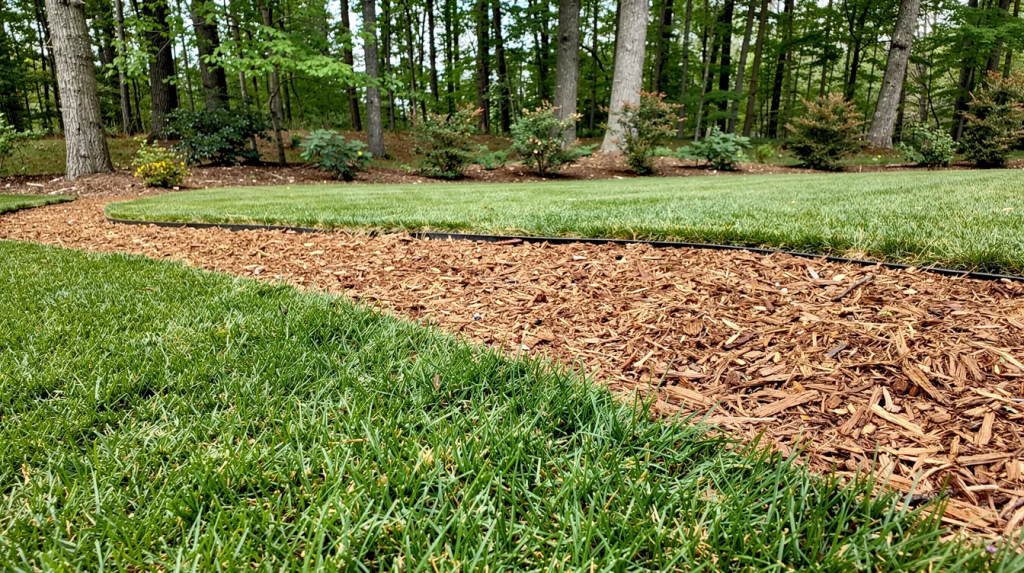
Creating a 3-foot wide barrier of wood chips or gravel between lawns and wooded areas can restrict tick migration into recreational areas, helping to maintain a tick safe zone. Tick tubes, which are filled with permethrin-soaked cotton, can be placed around the yard to target ticks on white-footed mice nests—a common host for ticks that transmit Lyme disease, and many homeowners in Weston pair these with local Weston CT tick control programs for stronger results.
Daily tick checks after coming indoors are essential, focusing on scalp, hairline, behind ears, under arms, waistbands, and behind knees. Check pets that may bring unattached ticks inside. Use EPA registered insect repellents on exposed skin when hiking or working in brushy areas, and treat clothing or outdoor gear with 0.5% permethrin according to label directions; around the home, Westport CT tick control services can complement these personal protections.
How Long Tick Sprays Last and When You’ll Need Reapplications
Most professional synthetic tick treatments in Connecticut yards provide roughly 30 days of solid residual control under typical conditions, though heavy rainfall and dense vegetation can shorten this window. Spraying should only be done when there is no rain forecasted for at least 24 to 48 hours post-application to ensure the chemical binds effectively to vegetation and soil.
Organic cedar oil sprays act more as products to repel ticks with shorter lasting power, which is why Safe Tick Control usually recommends applications every 2–3 weeks during active season. You’ll often know it’s time to reapply when you begin finding live ticks on pets or on light-colored clothing after walking yard edges near woods, stone walls, and brush lines.
Homeowners should not exceed label directions. More frequent spraying than recommended can be unsafe and may not increase effectiveness. A consistent April–November schedule with properly timed reapplications reduces tick numbers across the season far more effectively than one or two sporadic treatments, which is why many families choose ongoing Norwalk CT tick control programs. Preparing the yard for application involves removing leaf litter, brush, and tall grass, as debris can prevent effective coverage during treatment.
Common Myths About Tick Season and Tick Spraying
Myth: Ticks are only a summer issue. In Connecticut, adult deer ticks can be active whenever temperatures are above freezing. The lone star tick and American dog tick also have their own activity patterns. Tick season extends well beyond the warm months.
Myth: A single spring spray solves the problem for the whole year. New ticks constantly move in from surrounding woods and animal hosts. Deer that carry ticks cross property lines daily. Ongoing management throughout the season is essential.
Myth: Home remedies work to remove attached ticks. Using nail polish, petroleum jelly, or heat is not recommended to remove a tick attached to skin. The CDC recommends fine tipped tweezers and steady, upward pulling for safe removal.
Myth: A short, mowed lawn means low tick risk. Having a neat lawn doesn’t guarantee safety if wooded borders, stone walls, and shaded landscaping beds remain untreated or full of leaf litter. Ticks in your yard may be concentrated at edges rather than center lawn.
Myth: Yard spraying eliminates all risk. While yard spraying can significantly reduce tick population, no method can promise zero risk of tick borne illnesses. Personal precautions and regular tick checks remain essential even on treated properties. Wearing closed toe shoes and covering exposed skin when walking near wooded areas adds another layer of protection.
FAQ: Best Time to Spray for Ticks in Connecticut
Are ticks really active in Connecticut during winter?
In Fairfield County, deer ticks can become active on any mild winter day when temperatures rise above 32°F, especially in sheltered, humid spots like leaf litter around stone walls and wooded edges. While Safe Tick Control typically does not run full winter programs, this winter activity is why early spring sprays are so important—they target adult ticks that survived the winter and are already questing on the first warm days.
If I rarely see ticks in my yard, do I still need regular treatments?
Not seeing ticks does not mean they are absent. Nymphs are extremely small and easy to miss during a casual tick check, yet can still transmit Lyme disease bacteria. Consider your property risk factors—wooded borders, stone walls, deer traffic, shaded plantings, pets, and kids using the yard—along with local Lyme disease rates when deciding on a treatment schedule. Many properties benefit from prevention even without visible tick activity.
Can tick spraying also help with mosquitoes on my property?
Many professional outdoor treatments, including those from Safe Tick Control, can be designed to target both ticks and mosquitoes by treating specific vegetation and resting sites where each pest lives. Homeowners who want broad outdoor comfort from April through October often choose combined tick and mosquito programs, especially around pools, patios, and play areas, such as integrated tick and mosquito control in Stamford CT.
Is it safe for children and pets to use the yard after tick spraying?
When products are applied according to label directions and re-entry times are followed, treated yards are considered safe for children and pets once sprays have dried—usually within a few hours. Safe Tick Control emphasizes child- and pet-conscious applications, asking families to keep people and animals indoors during treatment and to wait until everything is dry before resuming normal use. Avoiding harmful chemicals concerns many families, which is why organic cedar oil options exist for those who prefer plant-based approaches, including organic tick spray programs in Darien CT.
Do I still need insect repellent if my yard is being professionally treated?
Yes. CDC guidance still recommends using insect repellent on skin and treating clothing for activities in higher-risk areas such as woods, fields, and local trails—even if the home yard is on a tick control program. Professional yard spraying significantly reduces tick numbers on the property but does not replace personal protection measures when you or your pets leave that controlled environment. Services such as Greenwich CT tick and mosquito control lower risk at home, but Rocky Mountain spotted fever and other tick borne diseases can be contracted outside your treated property as well.